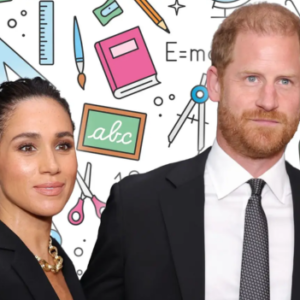
The heavily publicised three-day “Her Best Life” retreat in Sydney, where Meghan Markle is set to headline a fireside chat, has reportedly failed to sell out more than a month after tickets first went on sale. The women-only event, capped at around 300 guests and priced from £1,400 per head, has instead become the centre of debate over celebrity branding, exclusivity, and commercial intent during the Sussexes’ latest Australia visit.

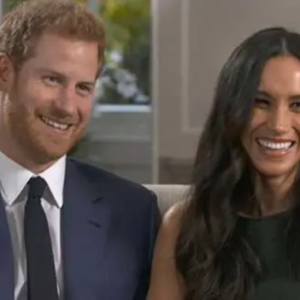
The Duke and Duchess of Sussex are currently undertaking a four-day high-profile trip Down Under, which some critics have described as a “quasi-royal tour” with a strong commercial dimension. While the couple have framed their visit as a mix of charity work, speaking engagements, and business events, detractors argue it is increasingly indistinguishable from a carefully packaged self-promotion tour.
At the centre of the controversy is the “Her Best Life” retreat, organised by Australian radio presenter Jackie ‘O’ Henderson and her manager Gemma O’Neill. The event features a headline “fireside chat” with Meghan Markle, alongside wellness activities such as yoga sessions, panel talks, group dining experiences, and an evening disco designed to create a luxury lifestyle atmosphere for attendees.
Although organisers initially claimed ticket allocations were “exhausted” in late March, later updates revealed that additional rooms were quietly released in April, including both standard and VIP packages. The standard experience includes shared accommodation and access to Meghan’s session, while VIP tickets—priced at around £1,700—offer private rooms and exclusive group photo opportunities with the Duchess.

Just days before the event begins, organisers confirmed “final last-minute availability,” listing a small number of remaining rooms at a five-star beachfront hotel in Sydney. A social media post described the guest list as “closing,” adding a celebratory tone despite ongoing unsold inventory.
The situation has fuelled criticism online, where some commentators argue that the retreat’s “exclusive” branding does not match its reported difficulty in reaching full capacity. Others question whether demand for celebrity-driven wellness experiences is softening, particularly as prices rise in a challenging economic climate.
Critics have labelled the event “overpriced” and accused organisers of relying too heavily on Meghan Markle’s public profile to drive ticket sales. Some social media users described the situation as a “PR misfire,” suggesting that expectations of high demand may have been overestimated.
However, supporters of the event argue that last-minute ticket releases are common in the luxury hospitality and events sector, where cancellations, upgrades, and staggered sales are standard practice. They insist that the retreat remains a premium experience aimed at a niche audience, and that unsold rooms do not necessarily indicate failure.
The retreat has also been overshadowed by controversy surrounding its organisation. Reports emerged that one of the key organisers’ talent management business had previously entered voluntary liquidation amid significant unpaid debts, raising further questions among critics about the financial stability behind the event.

Security concerns have added another layer of tension, with organisers enforcing strict “no phones, no recording” policies during Meghan’s appearance. A leaked itinerary reportedly instructs guests to remain fully present during sessions, while also noting that photography opportunities will be tightly controlled and only permitted under specific conditions for different ticket tiers.
The policy has sparked online debate, particularly after claims surfaced that individuals had discussed attempts to infiltrate the event and secretly record portions of the proceedings using hidden devices. Organisers have emphasised that security clearance and privacy rules are essential to maintaining the integrity of the experience.
Elsewhere on the Sussexes’ itinerary, Prince Harry is expected to speak at a business summit in Melbourne, where ticket prices reportedly range from several hundred to over a thousand pounds. The couple have stated that their tour is privately funded, though reports suggest Australian taxpayers may still contribute to security costs, prompting further public debate and political criticism.
Supporters of the couple argue that their engagements in Australia include meaningful visits to hospitals, charities, and community organisations, where they meet patients, staff, and vulnerable groups. These appearances are presented as evidence that the trip is not purely commercial, but a blend of philanthropy and professional speaking work.
Yet critics remain unconvinced, with some local commentators suggesting the tour reflects a broader shift toward monetised public appearances under the guise of humanitarian engagement. One newspaper editorial went as far as describing Australia as being treated “like an ATM,” reflecting growing frustration among some segments of the public.
As the retreat approaches, attention continues to focus on whether the event will ultimately sell out, and whether its mix of wellness branding, celebrity appeal, and luxury pricing can deliver on expectations. For now, the “Her Best Life” retreat remains both a high-end lifestyle experience for attendees and a flashpoint in the wider debate over celebrity influence, commercialisation, and public perception in the post-royal chapter of the Sussexes’ public life.