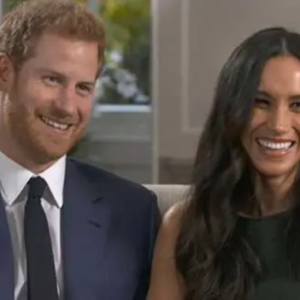
When staff at the Western Bulldogs first learned that Prince Harry would be visiting their headquarters at Whitten Oval, the reaction was disbelief rather than celebration. The AFL club, known for its strong working-class identity in Melbourne’s west rather than the glamour often associated with high-profile sporting visits, was not widely expected to appear on the Duke’s itinerary. Yet within hours, confirmation arrived that the visit was real — and that it had been carefully chosen for a specific reason.

According to club leadership, the decision was linked directly to the Bulldogs’ long-standing involvement with Movember Foundation, a global charity focused on improving men’s health outcomes. Prince Harry has supported conversations around mental health and wellbeing for many years, and insiders suggested the connection between the club’s community programs and Movember’s national research work made the venue a meaningful fit for the visit.
Even so, the initial announcement reportedly left staff stunned. Senior figures at the club described needing to double-check that the message had not been sent in error. During an internal meeting to confirm the visit, several employees were said to react with audible surprise, reflecting how unusual it was for a figure of Harry’s profile to choose a location far removed from Melbourne’s better-known sporting stages.
The sense of intrigue only grew when it became clear that the event would take place at Whitten Oval itself — a venue deeply associated with the Bulldogs’ heritage but rarely described as glamorous compared with stadiums in the city’s more affluent districts. For supporters, however, that contrast quickly became part of the story. Some interpreted the choice as a signal that the visit was intended to highlight grassroots community work rather than headline-grabbing spectacle.
Club representatives confirmed that the visit would coincide with the launch of a new national research report from the Movember Foundation, presented at a private, invitation-only gathering attended by partners and community leaders. The Bulldogs’ own programs in the men’s health space — particularly those supporting wellbeing initiatives for men in Melbourne’s western suburbs — were said to play a key role in shaping the event.

Still, the selection of the club surprised many football fans across the Australian Football League. Observers noted that a royal-profile visitor might more typically be expected to appear at one of the league’s largest or most internationally recognisable teams. Instead, Prince Harry’s itinerary highlighted a club proud of its blue-collar identity and community-focused heritage.
For some supporters, that contrast added to the visit’s significance. The Bulldogs have long presented themselves as representatives of Melbourne’s west, a region closely associated with working families and strong local ties. Club officials said the opportunity to host the Duke at their historic home ground was, therefore, not only unexpected but also symbolic of the club’s broader community mission.
At the same time, the visit sparked curiosity online about what may have influenced the final decision. While the Movember connection provided a clear explanation, commentators suggested the stop’s absence from early public schedules hinted that it could have been finalised relatively late in planning. That detail alone was enough to turn what might otherwise have been a routine charity engagement into one of the most discussed moments of the Melbourne leg of the tour.

Notably absent from the visit, however, was Meghan Markle, whose schedule did not include the Bulldogs event. Club representatives acknowledged that some staff had quietly hoped she might attend as well, particularly given her past role in the television series Suits, which remains popular with audiences in Australia. Her absence was described light-heartedly within the organisation, though it nevertheless added another talking point around the visit.
The Bulldogs stop was not the only sporting appearance on the Sussexes’ itinerary during their return trip to Australia — their first since 2018. Later in the week, Prince Harry and Meghan were expected to attend a high-profile rugby fixture between the New South Wales Waratahs and Moana Pasifika at Allianz Stadium. That event, hosted in a newly redeveloped venue in Sydney’s eastern suburbs, offered a sharp contrast to the atmosphere surrounding the Whitten Oval engagement.
The difference between the two sporting appearances did not go unnoticed by observers following the tour closely. While the Sydney fixture promised a polished hospitality setting with senior sporting administrators in attendance, the Melbourne stop highlighted community partnerships and grassroots health initiatives instead. For some commentators, the contrast illustrated how the couple’s itinerary appeared designed to balance high-profile visibility with local outreach.
Elsewhere during their time in Melbourne, the Duke and Duchess also visited Royal Children’s Hospital Melbourne, where they met patients, families, and staff before continuing to a support centre assisting women and children affected by domestic violence and homelessness. The couple later attended the Australian National Veterans Arts Museum, reinforcing the mix of charity, community, and cultural engagements that shaped the opening phase of their visit.
Even so, it was the unexpected choice of the Western Bulldogs — rather than a more internationally recognised AFL club — that became one of the most talked-about elements of Prince Harry’s Melbourne schedule. What initially seemed like a routine stop connected to a health charity quickly turned into a point of intrigue about how and why the venue had been selected, ensuring the visit remained a focal moment in discussion surrounding the couple’s latest trip to Australia.