Christopher Nolan’s The Odyssey Hailed as ‘Masterpiece’ and ‘Best Film of the Year So Far’ in Near Universal Acclaim
Christopher Nolan’s ambitious $250 million adaptation of Homer’s epic poem The Odyssey is generating extraordinary praise from critics, positioning it as one of the director’s most acclaimed works and a strong contender for next year’s Academy Awards. The Imax blockbuster has received glowing reviews across major publications, with several outlets awarding it the maximum five stars and describing it as a monumental achievement in modern cinema. Early indications suggest the film could define Nolan’s legacy while delivering a powerful, visually stunning interpretation of the ancient tale.
The Guardian’s Peter Bradshaw was among the first to heap praise on the movie, awarding it five stars and calling it a film of “thrilling ambition, boldness, seriousness, generosity and flair.” He acknowledged some broad-brush moments in the dialogue but noted these were delivered with “a muscular flourish” that enhanced rather than detracted from the overall experience. Similarly, the Independent’s Clarisse Loughrey declared it “Nolan’s best work to date” and suggested it “deserves to be the film that defines him.” The Telegraph’s Robbie Collin went even further, describing the movie as “a strange, fearsome and trailblazing machine of a movie – by some distance, the best of the year so far.”
Critics Praise Monumental Scale and Emotional Depth
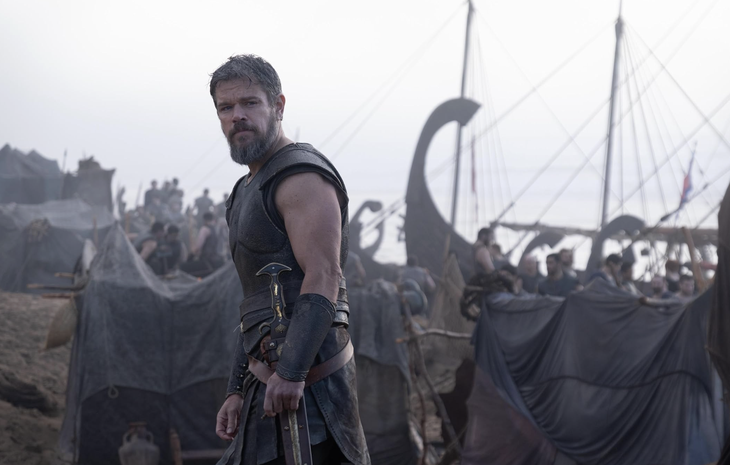
The Times critic Kevin Maher was equally enthusiastic, labelling the film “a masterpiece in every way.” He highlighted what he saw as a cultural yearning for primal storytelling and art that can both entertain and instruct. “Nolan has done it,” Maher wrote. “This is the artwork.” Across the Atlantic, the New York Times’ Manohla Dargis offered similarly high praise, noting she could see Nolan’s passion for cinema “in every frame of his monumental adaptation.” She described the film as “one of the most Nolan of Nolan spectacles” in its thematic concerns, formal playfulness, kinetic thrills, and unabashed showmanship. “Nolan asks us to dream bigger,” Dargis added. “His Odyssey is a classic in every sense, a transporting affirmation of the art and a work of pure cinema.”
Variety’s chief critic Guy Lodge was almost entirely positive in his assessment, describing the film as a “genuinely grand, gutsy vision” that delivers thrills generously across its near three-hour runtime. He highlighted the regular appearance of mighty set pieces that would serve as climactic moments in most other studio spectacles. Lodge called The Odyssey “a veritable banquet” of loud, grandiose, movie-movie pleasures that are “brashly, confidently lavish.” He noted that the film’s sensory impact allows it to overcome a slightly aloof emotional tone. “We leave it feeling that we’ve been to hell and back, and exhilaratingly so,” he concluded.
Some Criticism Amid the Praise
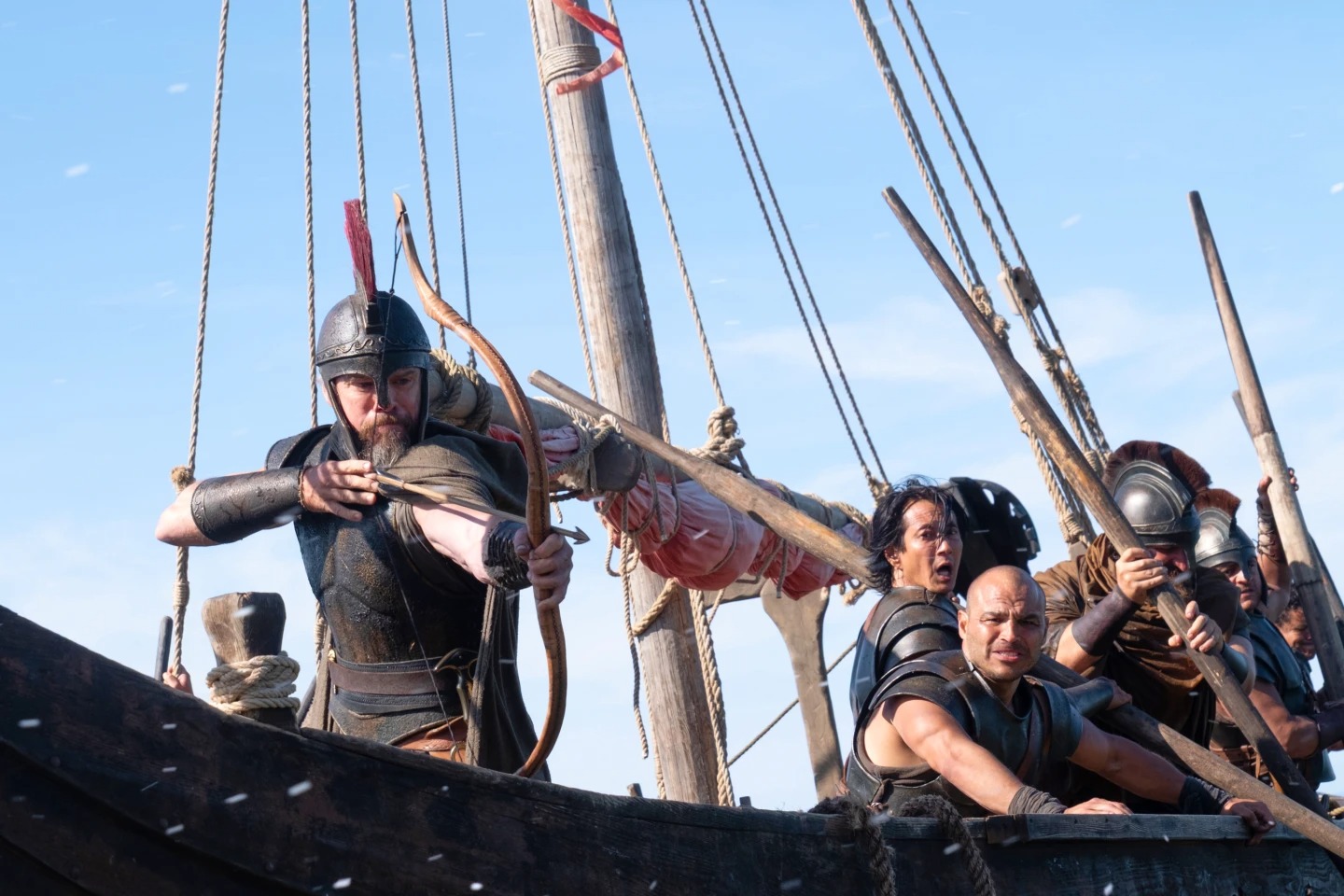
While the overall reception has been overwhelmingly positive, a few reviewers offered more measured assessments. The Hollywood Reporter’s David Rooney suggested that certain scenes, particularly those featuring Matt Damon’s Odysseus and Charlize Theron’s Calypso conversing on a beach, felt like “dull interludes” that halted the narrative momentum. He also described the film as “structurally clumsy” at times and questioned the casting of Tom Holland as Damon’s son. Rooney admitted to wincing at some anachronistic language, such as Penelope telling her suitors “I’ve listened to you party” or Telemachus referring to his father as “dad.”
Classicist Mary Beard offered a more qualified response in her review for The Times. While she praised the film as a “brisk, pacy and contemporary” adaptation with “no dreadful cod-epic language,” she expressed disappointment at the “one-dimensional, single-minded, even stolid” portrayal of the leading man. Beard noted the absence of Homer’s hero’s characteristic tricksiness and humour. She also lamented the cutting of at least two key female characters and the reduced agency given to others, describing the film as “an Odyssey without the sex.”
Writing in The Guardian, classicist Emily Hauser raised similar concerns about Nolan’s choices. She suggested that the director’s decision to centre a modern-day hero left limited space for women or nuance in the story. Hauser took particular issue with certain alterations, including a scene where Penelope becomes the executor of her enslaved woman Melantho. She concluded that the film offers “a man who seeks redemption and solidarity among men, recognition from women, and absolution for a civilisation’s fall.”
Nolan Delivers Ambitious Vision of Ancient Epic
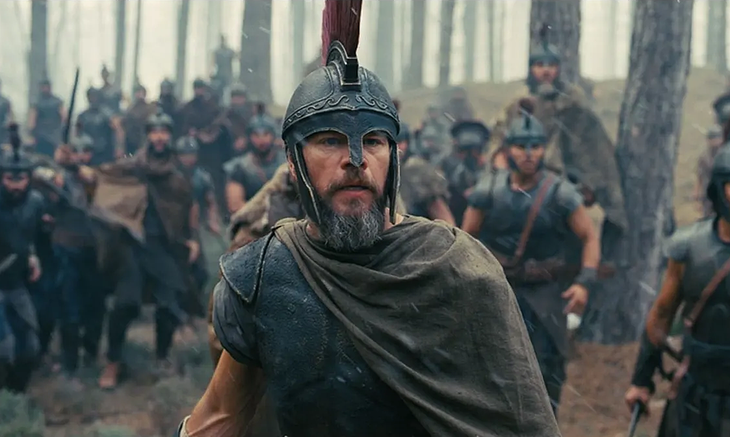
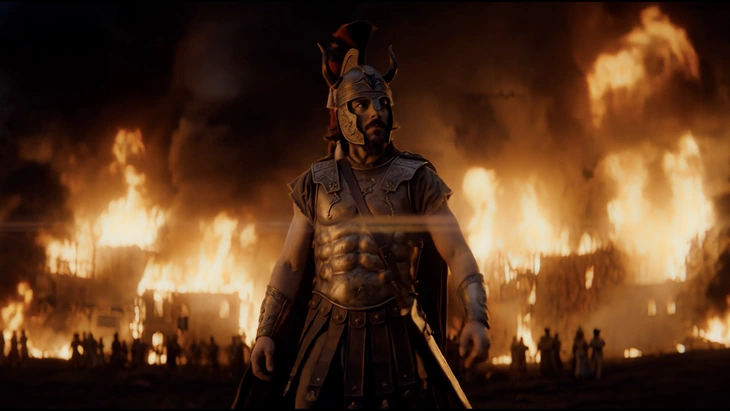
Despite these points of criticism, the broad consensus among reviewers is that Christopher Nolan has crafted something truly special with The Odyssey. The film’s monumental scale, technical brilliance, and commitment to ambitious storytelling have impressed even those who found aspects to critique. The use of Imax technology appears to have been particularly effective in bringing the ancient world to life in a visually spectacular manner.
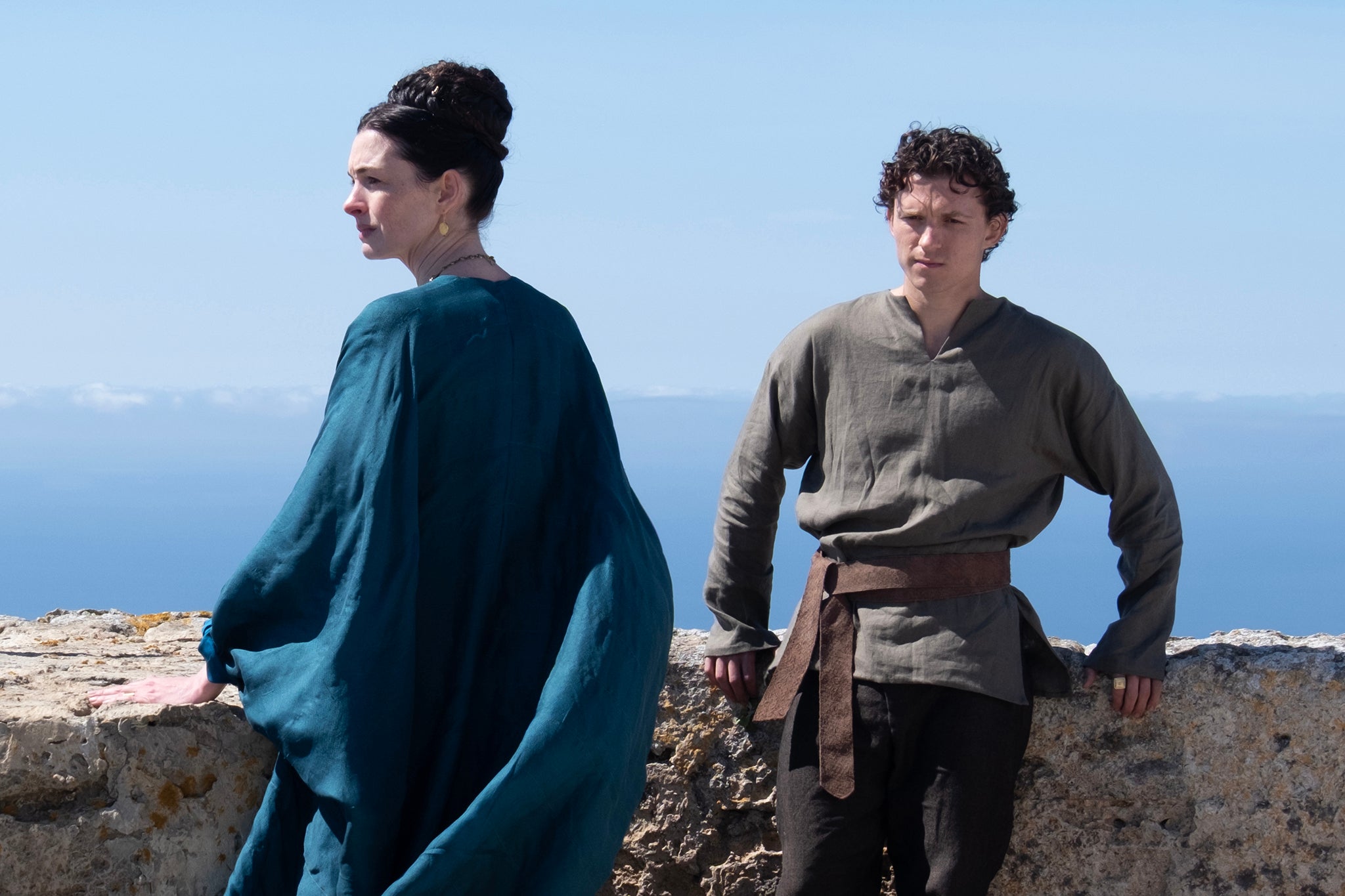
The casting brings together an impressive ensemble, with Matt Damon taking on the central role of Odysseus and a strong supporting cast that includes Charlize Theron and Tom Holland. The performances have been highlighted as a key strength, helping to ground the epic narrative in human emotion and conflict.

Potential Awards Contender and Box Office Prospects
With such strong early reviews, The Odyssey is already being mentioned as a potential frontrunner for next year’s Best Picture Oscar. The combination of critical acclaim, Nolan’s established reputation, and the film’s ambitious scope positions it well for awards season success. At the box office, the movie’s visual grandeur and star power should help it compete effectively in what is expected to be a competitive summer season.
For fans of Nolan’s previous work, The Odyssey appears to represent both a continuation of his signature style and a bold new direction. The film’s exploration of themes such as heroism, redemption, and the human condition aligns with many of the director’s recurring interests while tackling material that presents fresh challenges.
A Significant Achievement in Modern Cinema
The near universal acclaim for The Odyssey underscores Christopher Nolan’s status as one of contemporary cinema’s most ambitious and accomplished filmmakers. By taking on one of literature’s foundational texts and reimagining it for modern audiences, he has created a work that feels both timeless and urgently contemporary.
While some classicists have raised concerns about certain creative choices and omissions, the film’s broader impact as a piece of cinematic art appears undeniable. Its ability to excite, provoke thought, and deliver spectacular entertainment has resonated strongly with reviewers across the board.
As audiences prepare to experience The Odyssey for themselves, the early critical consensus suggests they are in for a memorable cinematic journey. Nolan’s latest epic looks set to join the ranks of his most celebrated works, potentially defining a new chapter in his already remarkable career. The film’s success would further demonstrate the enduring appeal of ambitious, large-scale filmmaking in an era often dominated by franchise fare.
Whether it ultimately sweeps the awards or simply becomes a beloved blockbuster, The Odyssey has already made its mark as one of the year’s most significant cinematic achievements.