Dutton Ranch Faced Multiple Challenges Without Taylor Sheridan, Confirms Yellowstone Star Cole Hauser
The first season of Paramount+ series Dutton Ranch was not without its difficulties, according to one of its leading stars. While the show forms part of the wider Yellowstone universe created by Taylor Sheridan, it was developed without Sheridan at the creative helm. Instead, the series was created by Chad Feehan, and the transition to a new team of writers and directors brought a series of adjustments for the cast. Cole Hauser, who reprises his role as Rip Wheeler, has now spoken openly about the challenges of filming under these changed circumstances.
In a recent interview with FilmInside NYC, Hauser acknowledged that the absence of Sheridan required the cast and crew to adapt quickly. “There were challenges, you know?” he confirmed. “Not having Taylor [Sheridan] there, for us to really kind of be able to work with these new writers, these new directors, these people — everything had changed.” His comments provide a rare insight into the behind-the-scenes realities of launching a major spin-off without the guiding presence of the franchise’s original creator.

Hauser Embraces the Difficulty of Transition
Despite the obstacles, Hauser made clear that he approached the situation with a positive mindset. “I enjoy a challenge. It certainly was a challenge,” he told the interviewer. The actor explained that the only elements of continuity on set came from a small group of familiar faces. “The only normality” during filming, he said, was himself, director Christina Alexandra Voros, and his fellow Yellowstone co-stars Finn Little and Kelly Reilly.
Hauser emphasised the intense work rate required throughout the production of the first season. “We worked our aes off this year,” he said. “And I don’t think a lot of the outside noise or the thought of ‘what’s the weight of this show?’ was really apparent to me at the time.” Rather than becoming distracted by external expectations or comparisons to the original series, Hauser focused on the task at hand. “It was about putting my head down and working my a off with what I had around me,” he explained. “We had to figure out on our feet how to really perform and tell a story. So, I’m proud of what we accomplished, and I look forward to doing it again.”
His comments suggest a pragmatic and professional approach to the uncertainties of a new production. For an actor with extensive experience in the Yellowstone world, the shift to a different creative team represented a significant adjustment, yet one he was prepared to navigate.
Rip and Beth’s New Chapter in South Texas
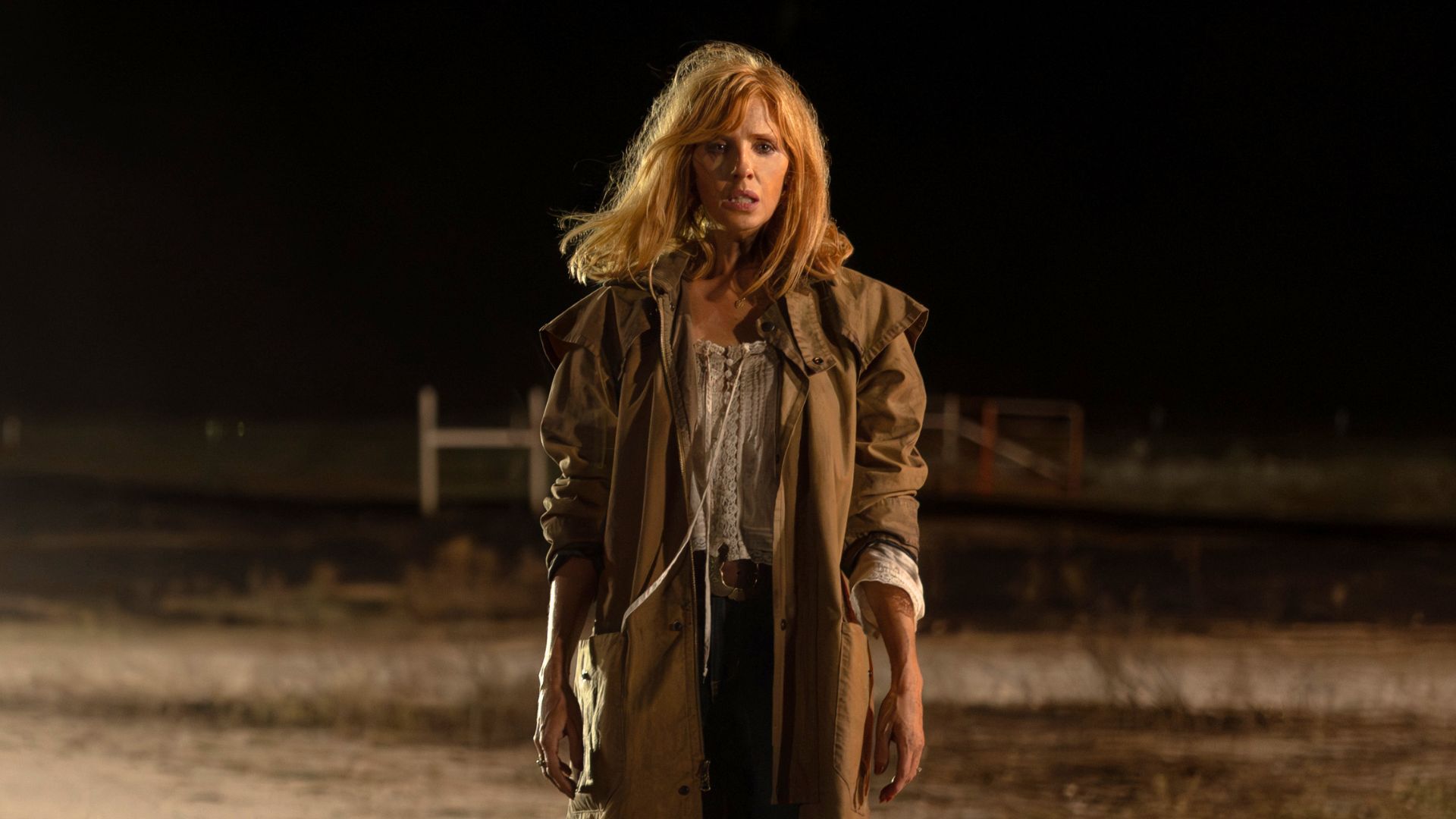
Dutton Ranch follows Rip Wheeler and his wife Beth Dutton as they leave the familiar surroundings of the Yellowstone ranch in Montana to start a new life in South Texas. Hauser and Kelly Reilly reprise the roles they made famous in the original series, while Finn Little returns as their adopted son, Carter. The move to a new geographical and emotional landscape offered fresh storytelling opportunities, even as it required the cast to establish a different working dynamic without Sheridan’s direct involvement.
The series is the fourth spin-off within the Yellowstone universe and carries the weight of significant audience expectation. Hauser’s reflections indicate that the cast were largely focused on the practical demands of filming rather than the broader cultural impact of the show during production. That concentration on craft and collaboration appears to have helped them push through the inevitable growing pains of a new series.
Showrunner Change Adds to Behind-the-Scenes Upheaval

The challenges of Season 1 extended beyond the absence of Sheridan. After the first season was completed, original showrunner Chad Feehan departed the series entirely. Benjamin Cavell was subsequently hired as his replacement. According to reports from Deadline, Feehan had “faced challenges handling the bold-faced cast,” a suggestion that managing a high-profile ensemble may have contributed to the difficulties behind the scenes.
Hauser took a measured view of the showrunner change. “Showrunners change all the time,” he noted. “This business is about adapting. We’ve been doing this for a long time. Things change. People move on.” His comments reflect a veteran’s understanding of the fluid nature of television production, where creative leadership can shift between seasons for a variety of professional and personal reasons.
While Feehan has not spoken publicly about the specific challenges he encountered during Season 1, the departure itself underscores the complexity of launching a major franchise extension. The combination of a new creative team, high audience expectations, and a cast of established stars created an environment in which adjustments were almost inevitable.\

Ed Harris Voices Frustration Over Role
Further evidence of Season 1’s behind-the-scenes tensions emerged when cast member Ed Harris publicly expressed dissatisfaction with his experience on the show. Harris, who plays a supporting role in the series, said he felt “misled” about the importance of his character and described himself as “feeling underused and inconsequential” during filming. At one point, he reportedly told his management team, “Get me the f**k out of here.”
“I was just a little frustrated, to tell you the truth,” Harris later said. Despite his concerns, the actor is confirmed to return for Season 2, suggesting that discussions behind the scenes may have addressed some of the issues he raised. His willingness to speak candidly about the experience adds another layer to the picture of a first season that required significant adaptation from all involved.
Looking Ahead to Season 2
Dutton Ranch has already been renewed for a second season, with filming expected to begin in 2027. The additional time before cameras roll again may allow the new creative team, led by Benjamin Cavell, to refine the show’s direction and address some of the difficulties encountered during the first run. For Hauser and the core cast, the experience of Season 1 appears to have reinforced their commitment to the project rather than diminished it.
:max_bytes(150000):strip_icc()/Cole-Hauser-Taylor-Sheridan-072326-bb32e9ac7abd4fec84a4ebe3c77cdde4.jpg)
Hauser’s pride in what the team accomplished, despite the challenges, suggests a foundation on which the series can build. The involvement of returning Yellowstone actors provides continuity for fans, while the new setting and storylines offer opportunities to expand the universe in different directions. Whether the second season can smooth out the creative and logistical issues of the first will be closely watched by both audiences and those within the industry.
A Franchise Continues to Evolve
The story of Dutton Ranch Season 1 illustrates the complexities of extending a successful television franchise. Removing a central creative figure such as Taylor Sheridan inevitably creates a period of adjustment, particularly when combined with the demands of a high-profile cast and the expectations of a dedicated fanbase. Hauser’s candid reflections, alongside the showrunner change and Harris’s publicly expressed frustrations, paint a picture of a production that had to find its footing under pressure.
Nevertheless, the series has completed its first season and secured a renewal, indicating that Paramount+ remains confident in its potential. For viewers, the behind-the-scenes challenges may ultimately matter less than the stories told on screen. For the cast and crew, the experience of adapting to change appears to have been both demanding and, in Hauser’s view, ultimately rewarding.
As the Yellowstone universe continues to expand, Dutton Ranch stands as an example of both the opportunities and the difficulties inherent in building new chapters without the original architect at the centre. With Season 2 on the horizon, the lessons learned during the first year of production may prove valuable in shaping a more settled and confident continuation of Rip and Beth’s story in South Texas.