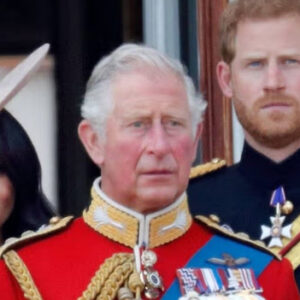
Argentina President Javier Milei Claims ‘People Are Jealous’ After World Cup Final Defeat and Post-Match Controversies
Argentina’s president Javier Milei has hit back at critics following his country’s World Cup final defeat to Spain, declaring that people are simply “jealous” of Argentina because the nation is “good at almost everything.” The libertarian leader’s defiant comments come in the wake of a disappointing 1-0 loss that was overshadowed by unsavoury scenes involving Argentine players after the final whistle. Milei’s remarks have drawn attention both for their boldness and for the contrast they present with the widespread criticism directed at the team’s conduct.
Milei, who watched the final from home out of superstition, has been vocal in defending his nation’s players. He has insisted that Argentina behaved in a measured and distinguished manner throughout the tournament, even as FIFA launches an investigation into the post-match incidents. The president’s stance has further fuelled debate about the South American side’s campaign and the controversies that surrounded it.
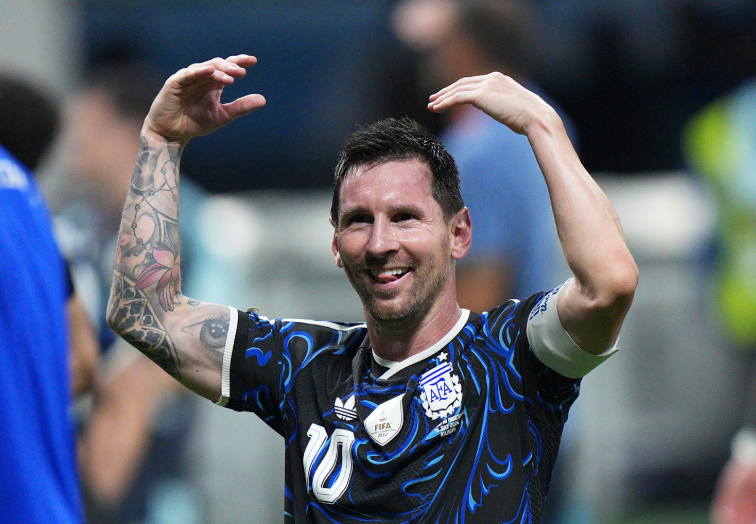
Milei’s Bold Claim of National Superiority
In a characteristically outspoken statement, Milei declared: “The problem with Argentina is that we are flashy, we don’t go unnoticed, people are jealous of us, and we are good at almost everything. I’m sorry, but someone had to say it.” The comments reflect the president’s combative style and his tendency to frame criticism of Argentina as stemming from envy rather than legitimate concerns.
The remarks come after Argentina’s loss to Spain in the World Cup final, a result that ended their hopes of repeating the triumph of 2022. That earlier victory, secured on penalties against France, remains a high point in the nation’s footballing history. Reaching three finals in the last four World Cups is a significant achievement, yet the manner of the latest campaign has left many observers less than impressed.

President Defends Team Amid Referee Criticism
Milei has been particularly critical of refereeing decisions, claiming they went against Argentina during the final. He told LN+: “The match was extremely difficult for us on Sunday, and yet Argentina could have grabbed an equaliser in the final minutes, even though the run of play was not at all favourable to Argentina.” The president insisted that the team “always took up stances and behaved in a measured manner throughout the tournament, even in the moments when the referee took incorrect positions towards the Argentina national team in some matches.”
These assertions fly in the face of the consensus view that Argentina benefited from numerous favourable calls throughout the tournament. Many supporters and opponents felt the competition was “rigged” in Argentina’s favour by FIFA, a perception that has persisted despite the final result. Milei’s defence of the team stands in contrast to this widespread opinion.
Post-Match Scenes Under FIFA Investigation
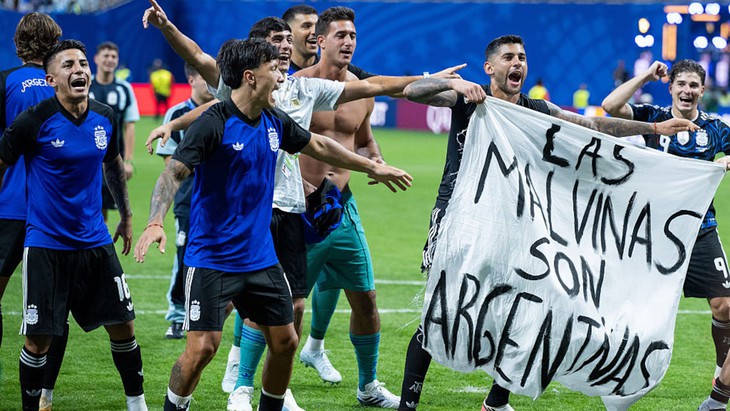
The final itself was marred by violence and poor behaviour after the whistle. Midfielder Leandro Paredes was involved in ugly scenes, grabbing Spain’s Eric Garcia by the neck and pushing over young star Gavi. Meanwhile, Nicolas Otamendi, who has since retired from international football, clashed with Spain captain Rodri. These incidents have prompted FIFA to investigate Argentina’s conduct, casting a shadow over what should have been a proud achievement in reaching the final.
Argentina managed just two shots throughout the entire match, a statistic that underscores their struggle to create meaningful chances against a well-organised Spanish side. The lack of attacking threat, combined with the post-match chaos, has left a bitter taste for many neutral observers.

Embarrassing Scheduled Tweet Celebrates Non-Existent Victory
Milei was left red-faced on Monday after a scheduled tweet celebrating an Argentina victory was published by mistake. The post announced a national holiday to mark the achievement, something the public will now not receive. The embattled president wrote on X: “WORLD CELEBRATION: Given the concern about the celebrations for the achievement reached by the Argentine National Team, I inform the population that, depending on what the Players and the Technical Staff decide regarding the day to celebrate, it will be declared a national holiday.”
The premature celebration added an element of farce to an already difficult period for the president. Anyone relying on his account for news of the final would have been misled, at least temporarily, about the outcome of the match.
Milei’s Political Challenges Mount
The World Cup controversy comes at a difficult time for Milei, whose popularity has plummeted this year amid corruption allegations. His cabinet chief recently resigned, adding to the sense of instability surrounding his administration. Milei took up the presidency in 2023 and has been a polarising figure both domestically and internationally.
In April, he claimed that the Falklands “will always be Argentine,” a statement that reignited tensions with the United Kingdom. His outspoken style has won him both admirers and critics, and his latest comments about the World Cup fit into a broader pattern of defiant rhetoric.
Argentina’s Tournament Record in Context
Despite the disappointment of the final, Argentina’s ability to reach three World Cup finals in the last four editions is a remarkable achievement. The 2022 triumph under Lionel Messi remains a highlight, but the latest campaign has been defined more by controversy than by footballing excellence. The team’s physical style and post-match behaviour have drawn sharp criticism from observers around the world.
Milei’s insistence that Argentina behaved in a “measured and organised way” stands in stark contrast to the images of players involved in scuffles after the final. The FIFA investigation will determine whether any sanctions are imposed, but the damage to the team’s reputation has already been done in the eyes of many.
Looking Ahead for Argentina and Milei
As Argentina reflects on another World Cup campaign that ended in defeat, the focus will shift to the future of the national team and the political climate at home. Milei’s defiant defence of the players and his claims of national superiority may resonate with some supporters, but they have done little to address the substantive criticisms of the team’s conduct.
The president’s accidental celebration of a victory that never materialised only added to the sense of chaos surrounding the aftermath of the final. For a leader already facing declining popularity and internal political challenges, the World Cup episode has provided yet another source of controversy.
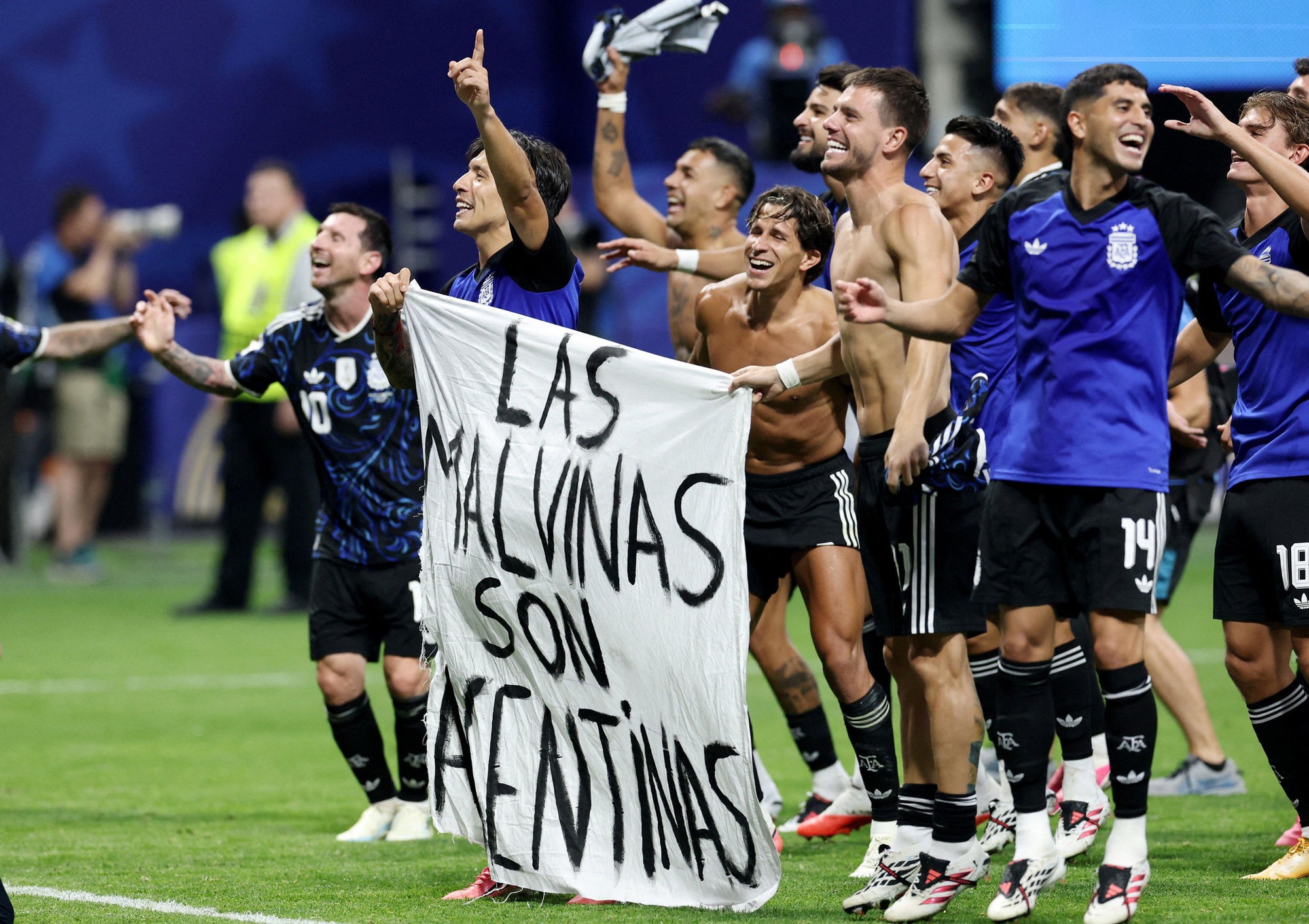
Football has long been a source of national pride in Argentina, and the team’s ability to consistently reach the latter stages of major tournaments is a testament to its talent and determination. However, the manner in which the latest campaign concluded has left questions that go beyond the result itself. Milei’s comments may offer a rallying cry for some, but they also highlight the gap between official narratives and the perceptions of many around the world.
As the dust settles on the 2026 World Cup, both Argentina’s footballing authorities and its political leadership will need to address the issues raised by the final and its aftermath. For now, Milei’s message remains clear: in his view, the criticism stems from jealousy rather than any genuine shortcomings. Whether that perspective gains traction remains to be seen.