“Enough is enough,” declared Sam Allardyce, urging Harry Maguire to consider withdrawing from the World Cup selection process after England boss Thomas Tuchel’s harsh comments. In a bold response, Maguire posted a cryptic message on social media, showing him training alone, which stirred speculation. The post subtly hinted at deeper tensions between the player and Tuchel, suggesting there were untold truths lurking behind the scenes. Maguire’s actions and silence seemed to speak volumes, leaving fans and pundits alike to wonder about the true nature of the conflict. This unexpected move revealed much more than initially thought, hinting at a situation far from resolved.
Sam Allardyce Suggests Harry Maguire Reconsider England World Cup Selection Following ‘Harsh’ Remarks from Thomas Tuchel
Manchester United defender Harry Maguire may need to pause and reconsider his involvement with England ahead of the upcoming World Cup, according to former England manager Sam Allardyce. The veteran coach has voiced concern over recent comments from England boss Thomas Tuchel, which he describes as unnecessarily blunt and potentially damaging to Maguire’s confidence.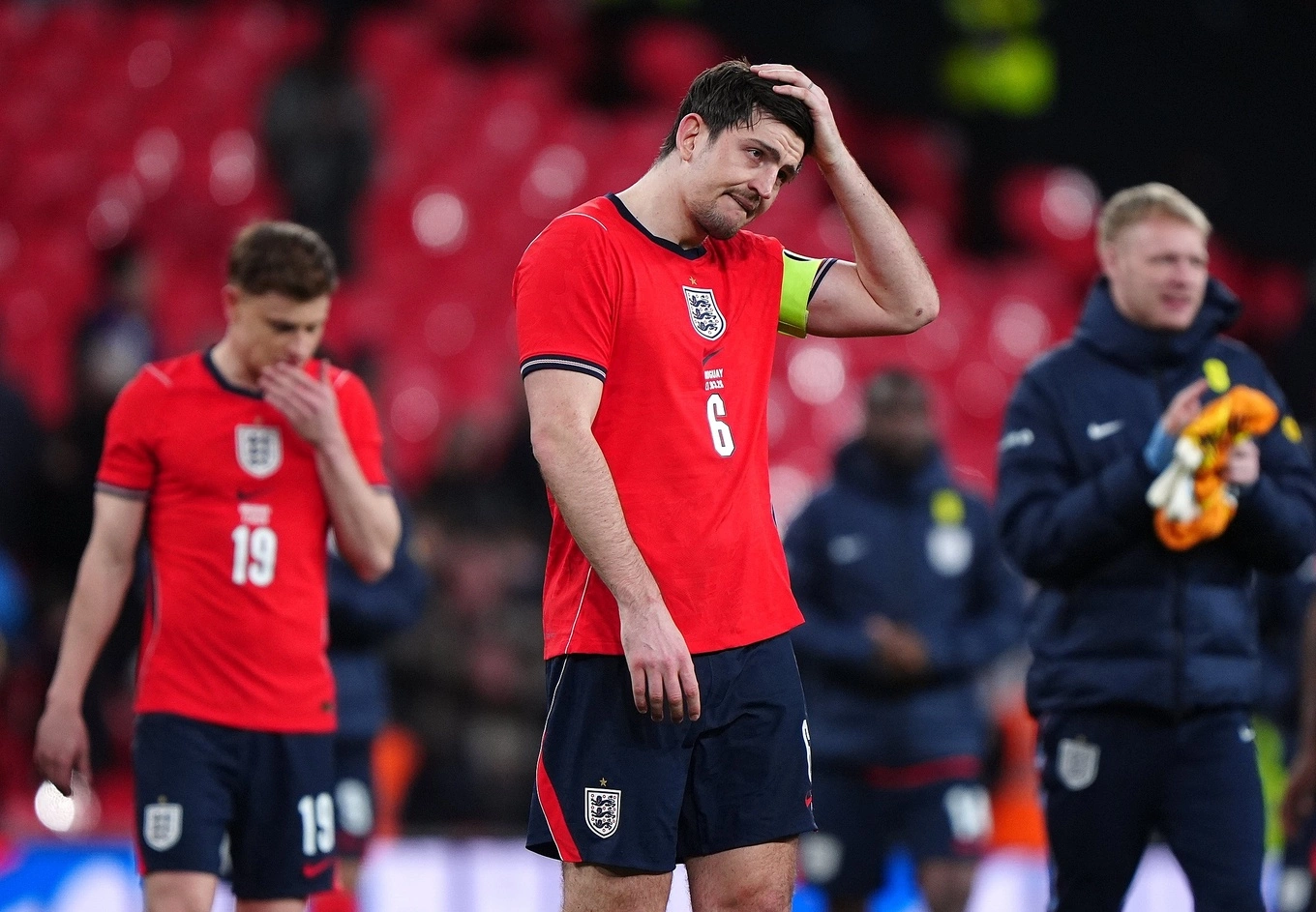
Maguire, 31, has endured a turbulent few seasons at Manchester United. Once celebrated as one of the Premier League’s most reliable centre-backs, he has faced intense scrutiny, criticism, and personal challenges following a series of high-profile errors on the pitch. His captaincy at United was stripped, and his place in the England squad has fluctuated, leaving him in a position of both uncertainty and heightened public attention.
Allardyce, who managed the Three Lions between 2016 and 2018, spoke openly about his perspective on Maguire’s current situation during a recent interview with Footy Accumulators. He expressed disappointment at how the Manchester United star has been handled, not just by club management but also in public discourse: “It’s a bit harsh. Harry endured such a difficult time at Manchester United when the club tried to belittle him – especially the manager at the time. He’s lost his captaincy, his place in the England squad, and has been criticised so heavily in the last few years. He’s taken every criticism on the chin and is proving everyone wrong.”
Allardyce’s comments come amid mounting speculation about Maguire’s international future. Despite his experience, Tuchel’s recent remarks appeared to undermine the defender’s standing within the squad. While Maguire publicly insisted that he would not let the comments affect him, Allardyce warned that even subtle criticism from a national team manager can weigh heavily on a player’s confidence, particularly one who has been under intense scrutiny for years.
“If I were in Harry’s position,” Allardyce continued, “I’d reconsider going with the camp at all. Perhaps to his own detriment, Harry has said that Tuchel’s comments would cause no problem. It makes you wonder whether he’s too nice. Players need to protect themselves mentally and emotionally. Being too accommodating doesn’t always work in your favour, especially when criticism comes from people in positions of authority.”
The situation is compounded by the intense pressure Maguire faces from media and fans alike. Every misplaced pass or failed defensive intervention at Manchester United has been analyzed and magnified, fueling a narrative that has sometimes overshadowed his undeniable abilities. Allardyce, who himself endured criticism during his managerial career, empathizes with the psychological toll this can take on a player.
Maguire’s history with England has also been complex. He captained the national team for several matches and was widely regarded as a central figure in Gareth Southgate’s defensive setup during the 2020–2022 period. However, inconsistent form and injuries have created openings for younger defenders to stake claims in the squad, leaving Maguire’s World Cup involvement uncertain. Allardyce believes that, given these circumstances, Maguire has every right to weigh his options carefully.
In addition to Tuchel’s remarks, recent tactical changes within England’s squad have made the defender’s position less secure. With emerging talents such as Ben White, James Tarkowski, and Tyrone Mings vying for centre-back roles, Maguire faces stiff competition. Allardyce argues that the combination of public criticism and internal squad competition can make continued involvement emotionally draining.
“Harry has given his all for both club and country,” Allardyce said. “Sometimes, taking a step back and reassessing what’s best for your own well-being is not a sign of weakness, but of intelligence. Football is a long career, and there’s no point in going into a tournament feeling undermined or underappreciated.”
Despite the turbulence, Allardyce acknowledges Maguire’s resilience. “He’s taken everything in his stride. He’s proved people wrong before and can do it again. But you have to be honest about how you feel. No one should be forced into a situation where criticism outweighs the enjoyment of the game.”
Maguire himself has tried to project confidence, insisting that he remains committed to England and will not let comments from Tuchel, the media, or social media trolls affect his performance. Yet Allardyce’s cautionary note highlights the potential consequences of overlooking the mental and emotional side of elite sport.
Former England defenders have also weighed in on Maguire’s predicament. Rio Ferdinand, speaking recently on a football podcast, suggested that national team selection should never feel like a punishment. “Players need to feel valued and trusted,” Ferdinand said. “If you’re constantly under pressure from authority figures, it can chip away at confidence. Harry’s talent isn’t in doubt, but his mental approach to the game must be protected.”
Allardyce’s remarks could spark a wider debate about how national team managers communicate with high-profile players, particularly those who have endured public scrutiny. While Tuchel’s role is to ensure that only the most prepared and mentally ready players represent England, the way criticism is delivered can either motivate or demoralize.
Maguire’s journey has been defined by both adversity and determination. Rising through Sheffield United’s youth ranks before moving to Leicester City and then Manchester United for a record transfer fee for a defender, he has consistently faced the challenges of expectation and comparison. At each stage, he has demonstrated technical ability, leadership, and composure under pressure.
Allardyce’s advice is not a call for Maguire to abandon his international ambitions but a plea for thoughtful self-assessment. “Harry needs to ask himself whether he’s in the right environment mentally and emotionally to contribute his best,” Allardyce said. “World Cups are career-defining events. You want to be there with your head clear, feeling supported, not second-guessing your every move because someone else has undermined you.”
As England prepares for the World Cup, Maguire’s potential withdrawal could have ripple effects across the squad, prompting tactical adjustments and opening doors for emerging defenders. Yet for Allardyce, the most important factor remains the player’s personal welfare.
“The right decision is the one that ensures he feels confident, valued, and ready,” Allardyce concluded. “Football isn’t just about appearances or obligations—it’s about enjoying the game and performing at your best. If stepping back for a moment helps Harry regain that, then it’s the smartest move he could make.”

Maguire now faces a difficult choice: to push forward and compete for his place in England’s World Cup squad, or to prioritize his mental well-being and step back from the international stage. With the tournament looming and scrutiny from both media and public intensifying, the decision will define not only his immediate future with the Three Lions but also his legacy as one of England’s most tested and resilient defenders.