The atmosphere at Anfield on Saturday afternoon crackled with tension long before kick-off. As Liverpool prepared to face Fulham in a Premier League fixture, the famous Kop stand – once a vibrant sea of color and noise – stood stripped bare. Flags and banners that have defined the iconic terrace for generations were deliberately removed by fan groups in a dramatic act of defiance. This was no ordinary protest. It was a raw, collective howl of frustration against rising ticket prices that many supporters see as a betrayal of the club’s working-class roots. While the team secured a comfortable 2-0 victory on the pitch, the real story unfolded in the stands, where passion collided with pocketbook pain, leaving owners Fenway Sports Group (FSG) facing what could become a full-scale revolt.
The protest had been building for days. Liverpool FC announced plans to increase ticket prices in line with inflation – up to 5% – for the next three seasons. Adult general admission tickets, currently ranging from £39 to £61, would rise by between £1.25 and £1.75 per matchday. Season tickets would climb by £21.50 to £27 next year, and more in subsequent seasons. To the club, this was a modest adjustment tied to rising operational costs, generating around £1.2 million annually. To fans, it felt tone-deaf, especially after the club reported strong revenues. Supporters’ groups like Spirit of Shankly and Spion Kop 1906 viewed the multi-year commitment as locking in hikes without proper consultation, removing annual scrutiny and treating loyal locals like cash machines.
In response, the “Not A Pound In The Ground” campaign urged fans to boycott spending inside Anfield – no pies, no pints, no merchandise. Pre-match, flyers targeted principal owner John W. Henry directly, demanding the plans be scrapped. But the most visually striking element came from Spion Kop 1906, the group responsible for the stand’s famous displays. After consultation, they decided to withdraw all their flags and banners for the remaining home fixtures of the 2025-26 season, with a brief exception for the Hillsborough anniversary commemoration. The Kop, usually a swirling kaleidoscope of red and white, looked strangely naked and muted as the Fulham game kicked off.

Iconic flags at Kop End to be REMOVED for final games of the season as Liverpool fans protest against ticket price rises | Daily Mail Online
For contrast, this is what the Kop normally looks like on a big matchday – a thunderous wall of flags, scarves, and banners that has intimidated opponents and inspired players for decades. The deliberate absence on Saturday sent a powerful visual message: the heartbeat of the club was withholding its soul. A single banner was unfurled in front of the stand around the 15-minute mark, reading simply in bold red letters: “No to ticket price increases.” It drew widespread applause from all four sides of the stadium, a rare moment of unity between home fans and even some neutrals. Chants echoed loudly: “Shove your prices up your a***” and “You greedy b******s, enough is enough.” The anger was palpable, raw, and unfiltered – emotions running high among supporters who have stuck with the club through thick and thin.
Here, fans are seen holding scarves high in a typical display of unity at Anfield, a scene that felt noticeably diminished during the protest. The removal of visual elements wasn’t just symbolic; it struck at the heart of how Liverpool markets itself globally. Images of the vibrant Kop have been sold around the world – scarves, flags, and the famous “You’ll Never Walk Alone” atmosphere help drive commercial revenue. As one supporter group representative put it, fans provide the visuals that the club monetizes, yet feel undervalued when it comes to affordability. This protest highlighted a deeper rift: the growing disconnect between the modern, corporate football club and its traditional, community-based fanbase in a city where economic pressures are real for many working families.
On the pitch, Liverpool delivered a professional performance that belied the off-field drama. Goals from key players ensured a 2-0 win, keeping their season’s objectives alive amid a challenging campaign. Yet even as the final whistle blew, the story wasn’t about the result. Post-match, all eyes turned to captain Virgil van Dijk, who addressed the situation with characteristic honesty and empathy during media duties. The Dutch defender, a towering figure both literally and figuratively in the dressing room, didn’t shy away from the controversy.
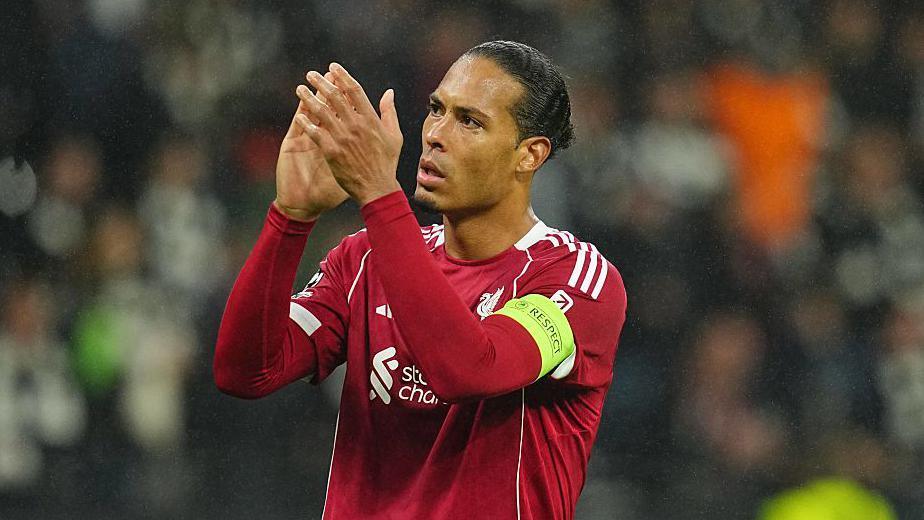
Van Dijk acknowledged the fans’ right to protest, describing them as the “heart and soul” of the club. “If they feel like this, then protest is their fair right,” he said. He expressed hope for a swift resolution between supporters and the hierarchy, noting that the current standoff “benefits no one.” Van Dijk added that these issues sit above his role as captain but emphasized a core belief: “My opinion is that our fans are the club. They always have been – before my time and after my time. It’s important that these things get solved.” His words carried weight, coming from a leader who has experienced the highs of title challenges and the lows of injury setbacks alongside the supporters. Many saw his intervention as a bridge-building moment, urging dialogue while validating the fans’ grievances.
The protest wasn’t isolated to Anfield. Similar actions have been discussed for away games, and the mood among supporter unions suggests this could escalate if demands aren’t met. Spirit of Shankly has called for delayed season ticket renewals until closer to the May 25 deadline to maximize pressure. FSG, the American ownership group that has overseen significant on-pitch success since taking over in 2010 – including the 2019 Champions League triumph and the 2020 Premier League title – now finds itself navigating familiar territory. Past ticket controversies, like the short-lived £77 pricing attempt years ago that led to a mass walkout, show that fan unrest can force change. Yet the multi-year nature of these hikes has particularly irked groups, who argue it insulates the club from future accountability.
Delving deeper into the economics reveals why passions are so inflamed. Liverpool operates in the upper echelons of world football finance, with commercial deals, broadcasting income, and matchday revenue forming a lucrative mix. Critics point out that while player wages and transfer fees soar, everyday supporters – the lifeblood who fill the stands week after week – face incremental but cumulative burdens. In a cost-of-living crisis affecting many in Merseyside, even small increases can push matchday attendance out of reach for younger fans or families. The “Not A Pound” boycott amplifies this by hitting secondary revenue streams directly. If sustained across remaining fixtures, it could send a stark financial and reputational signal.
Fan groups have drawn parallels with broader issues in English football. Rising prices aren’t unique to Liverpool, but at a club with such a storied working-class identity – forged in the city’s docks and communities – the optics matter immensely. The Kop’s famous banners and flags aren’t mere decorations; they represent identity, history, and resistance. Removing them voluntarily was an act of self-sacrifice, a willingness to dim the spectacle to highlight a principle. Supporters argue that the club sells the “Liverpool way” globally but risks eroding it at home by pricing out the next generation of Scousers.

As the dust settles from the Fulham clash, questions loom large about what happens next. Will FSG engage in meaningful dialogue, perhaps reviewing or softening the proposals? Or will the protests grow, potentially affecting atmosphere in crucial upcoming matches? Van Dijk’s plea for a solution carries urgency – a divided club is rarely a successful one. The captain’s comments have been praised across fan forums for showing leadership and humanity, reminding everyone that players and supporters share a common bond beyond the boardroom.
Liverpool’s on-pitch ambitions under manager Arne Slot remain intact, with the team pushing for Champions League qualification or better. Yet football at this level is about more than results; it’s about identity and belonging. The naked Kop served as a powerful reminder that without the fans’ passion, the stadium loses its magic. Supporters have made their voices heard loudly and clearly. Now, the ball is in the owners’ court.
What unfolds in the coming weeks could define the relationship between Liverpool FC and its most devoted followers for years. Will this revolt force a rethink, preserving the soul of the club? Or will it mark the start of deeper fractures? One thing is certain: the famous Kop may look bare right now, but the fire burning within its supporters is anything but extinguished. The coming days promise more drama, more discussions, and potentially more surprises as this passionate fanbase refuses to walk alone in silence.