Liverpool’s Champions League elimination at the hands of Paris Saint-Germain has triggered renewed scrutiny over leadership within the squad, with former England striker Wayne Rooney once again making pointed remarks that many interpreted as a subtle dig at Liverpool captain Virgil van Dijk.
The defeat marked a painful end to Liverpool’s European campaign under manager Arne Slot, as the club fell 4–0 on aggregate after a second-leg loss at Anfield. Having already been beaten 2–0 in Paris, Liverpool needed a near-perfect performance at home to turn the tie around. There were brief moments where hope seemed to build, particularly when a penalty decision initially went in their favour. However, that momentum was quickly erased after VAR intervention overturned the call, shifting the emotional balance of the match.
From there, PSG capitalised ruthlessly. Ousmane Dembélé struck twice to seal another 2–0 victory on the night, effectively extinguishing Liverpool’s chances of progressing further in the competition. The result confirmed their exit from Europe and ended any remaining hopes of silverware from what has been a turbulent and inconsistent season.
With the team now out of both the Champions League and domestic cup competitions, attention has turned toward accountability, leadership, and what comes next for the squad. Questions have been raised about performances, tactical direction, and whether the current group has enough resilience to compete at the highest level consistently.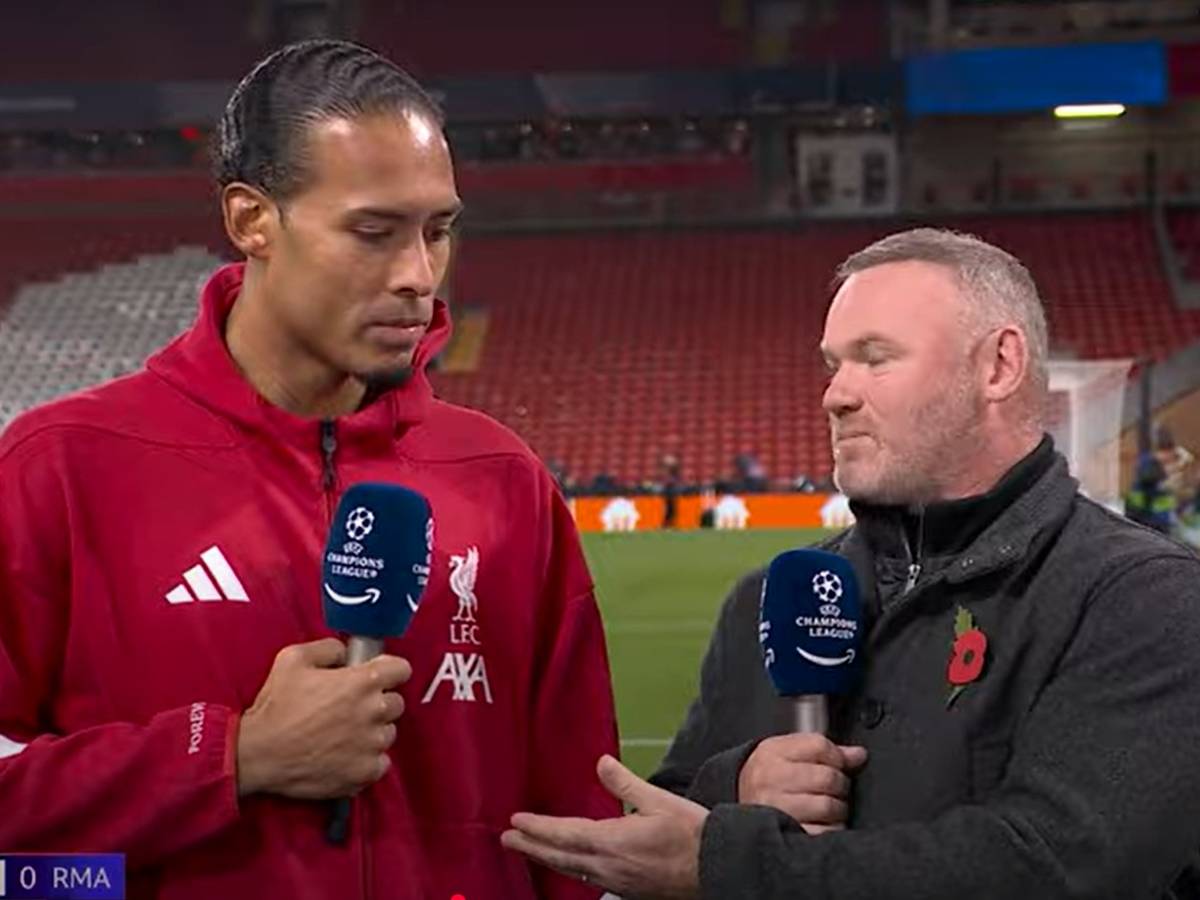
One of the focal points of post-match discussion came not from the pitch, but from the media room. Instead of senior figures or established leaders within the squad addressing journalists after the defeat, defender Ibrahima Konaté was selected to fulfil media duties. This decision drew attention from pundits, particularly Rooney, who openly questioned why more experienced players were not put forward.
Speaking during broadcast coverage on Amazon Prime, Rooney expressed surprise at Konaté’s appearance in front of the media, noting that he could not recall the defender previously being placed in such a role following major defeats. While acknowledging that younger players sometimes speak to the press, Rooney suggested that the timing and context made the decision unusual given the magnitude of the loss.
He argued that in moments of disappointment, responsibility typically falls on senior leaders within the dressing room to face external scrutiny. In his view, supporters and media expect to hear from those who carry the greatest influence within the squad, particularly after elimination from a major competition. Rooney emphasised that leadership is not only shown on the pitch, but also in how players communicate during difficult moments.
Without directly naming individuals, his comments were widely interpreted as a veiled reference to Liverpool’s established senior figures, including Van Dijk, who has previously engaged in public exchanges with Rooney over the past year. Their ongoing media tension has added an additional layer of intrigue whenever Liverpool’s performances come under discussion.
Rooney suggested that while Konaté may have been willing to speak, the situation would have been better served by a more experienced voice representing the team. He added that leadership presence in such moments helps set the tone for accountability and reflection after major setbacks.
Despite the criticism, it is worth noting that Van Dijk has frequently taken responsibility in previous post-match media appearances. He has fronted interviews after difficult results, including domestic cup defeats, where he addressed team shortcomings directly. This context highlights that Liverpool’s leadership group has not entirely avoided public scrutiny, although decisions around who speaks and when remain internal choices made by the club.
Nevertheless, Rooney’s remarks have reignited debate around Liverpool’s current leadership structure and the emotional resilience of the squad. With the team now out of Europe and facing the prospect of finishing the season without a trophy, scrutiny is increasing on both performance and communication standards within the dressing room.
The match itself also underlined broader issues Liverpool have faced this season, including inconsistency in key fixtures and difficulty maintaining control against elite opposition. While moments of promise have appeared, they have often been undermined by lapses in concentration or inability to capitalise on opportunities during decisive phases of games.
As a result, discussions about a potential summer rebuild are already gaining momentum. Analysts and supporters alike have begun questioning whether adjustments are needed in personnel, tactics, or squad balance to restore competitiveness at the highest level.
For now, the focus remains on reflection. Players are expected to regroup and reassess following the European exit, while coaching staff will likely evaluate both tactical and psychological aspects of the campaign. The leadership question, however, particularly around who speaks for the team in moments of defeat, is likely to remain part of the wider conversation.
Rooney’s latest comments, whether intentional or not, have ensured that scrutiny on Liverpool’s senior figures—including Van Dijk—will continue in the coming weeks as the club looks to close out a difficult season and plan for what comes next.
Looking ahead, there is also a growing sense that Liverpool’s response in the final stretch of the season will be closely watched as a measure of character rather than just results. With no European football left to play, the remaining Premier League fixtures under Arne Slot take on added importance in shaping both external perception and internal confidence. Senior players, including Virgil van Dijk, are expected to play a key role not only in performances on the pitch but also in restoring a sense of unity and direction within the squad. While pundit criticism like that from Wayne Rooney tends to fuel media debate, the club’s focus internally is likely to remain on finishing the campaign strongly and laying the groundwork for a more stable and competitive rebuild next season.