For much of the past week, it looked as though Mohamed Salah’s story at Liverpool F.C. had quietly reached its emotional conclusion. After nine unforgettable years at Anfield, the Egyptian forward appeared to have said his goodbyes, closing a chapter filled with record-breaking goals, historic trophies, and moments that defined an era of modern Liverpool success.
Supporters believed they were witnessing the final farewell of one of the greatest players in the club’s history. Salah had become synonymous with Liverpool’s resurgence under Jürgen Klopp, helping transform the team into Premier League champions and European winners. His exit, therefore, felt like the natural end of a long and successful journey.
However, football rarely follows a straight narrative. In a surprising turn of events, there are now growing suggestions that Salah’s departure may not be as final as it initially seemed. Instead of a definitive ending, his situation is now being reconsidered, with the possibility—however uncertain—of a delayed exit or even a short-term continuation emerging.
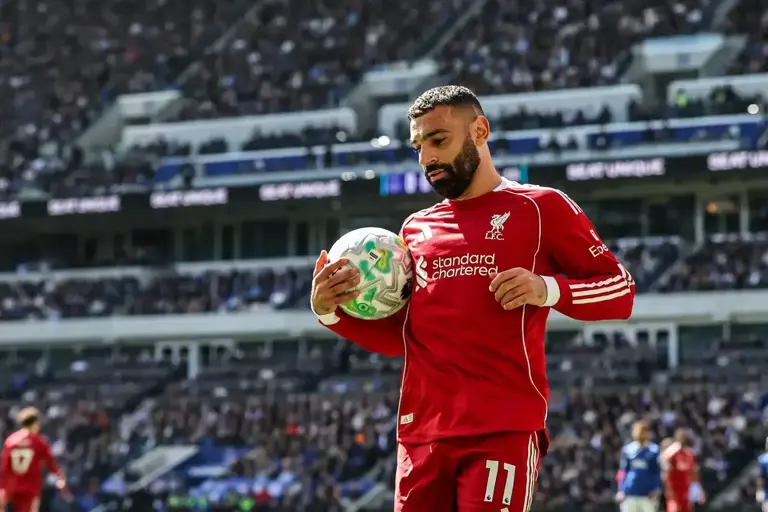
This development comes in the context of one of the most unstable seasons Liverpool have experienced in recent years. Expectations were high at the start of the campaign following their previous Premier League triumph, with fans anticipating another strong title challenge. The club had invested in new players and aimed to build on its recent success.
Yet, as the season unfolded, things did not go according to plan. Performances became inconsistent, results fluctuated, and the unity that had once been the foundation of Liverpool’s success began to weaken. Instead of a cohesive title-contending side, the team often looked fragmented and uncertain in key moments.
Behind the scenes, tensions reportedly grew between players and the coaching staff led by manager Arne Slot. Throughout the season, multiple reports suggested that senior players were unhappy with certain tactical approaches, including positional instructions and overall game strategy. There was also frustration over the team’s identity, with some feeling Liverpool had drifted away from their traditional high-intensity style.
Salah emerged as one of the more outspoken figures during this period. As a senior leader in the squad, he reportedly voiced concerns about the direction of the team and urged a return to the aggressive pressing and attacking football that had previously made Liverpool dominant. His comments were not only made privately but also, at times, hinted at publicly.
The situation escalated when Salah posted a cryptic message on social media that many interpreted as a subtle criticism of the coaching setup. While he did not explicitly name individuals, the tone of the message sparked widespread discussion among fans and pundits. It suggested frustration and a desire for change, and it quickly became a talking point across the football world.
What made the situation more significant was the response from within the dressing room. Several teammates appeared to support Salah’s general sentiment, either directly or indirectly. This created the impression of a divided squad, where disagreements over tactics and direction were no longer confined to private discussions but were becoming increasingly visible.
As the season progressed, this internal tension contributed to a broader decline in cohesion. The team struggled to maintain consistency, and performances on the pitch reflected a lack of clarity and unity. Eventually, the situation reached a point where change became unavoidable, leading to the departure of the manager and the start of a new phase for the club.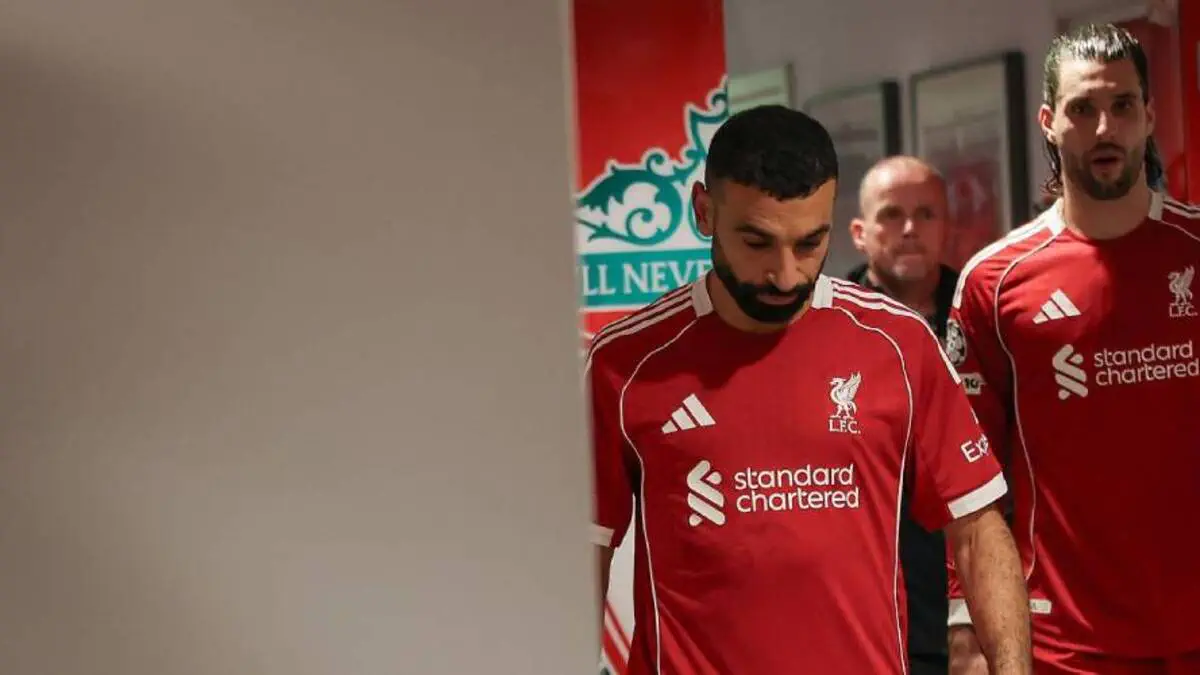
With Slot’s exit now confirmed, the environment at Liverpool is beginning to shift again. Early signs suggest a renewed focus on stability, structure, and rebuilding trust within the squad. This change in leadership has unexpectedly reopened discussions about the futures of several key players, including Salah.
According to reports from The Athletic, Salah had not entirely ruled out staying at Liverpool for the final year of his contract before making any firm decision to leave. This detail changes the perception of his exit, suggesting it may not have been driven purely by personal ambition or a desire for a new challenge elsewhere.
Instead, it appears that the surrounding environment—particularly the instability within the team and uncertainty about direction—may have played a significant role in pushing him toward departure. In other words, the decision may have been influenced as much by circumstances at the club as by his own long-term plans.
Now that the managerial situation has changed, those conditions are no longer the same. The factors that contributed to dissatisfaction within the squad may be in the process of being addressed. As a result, there is growing speculation that Salah could, at least in theory, reconsider his position.
This does not necessarily mean a return is likely. Interest from other clubs abroad remains strong, and Salah’s status as one of the world’s elite forwards ensures that he will always have options. A move to another league or a new challenge outside England is still a very realistic possibility.
However, football decisions are often shaped by timing, emotion, and changing circumstances. With a new managerial era beginning at Liverpool and a sense of reset around the club, the door—however slightly—may not be completely closed.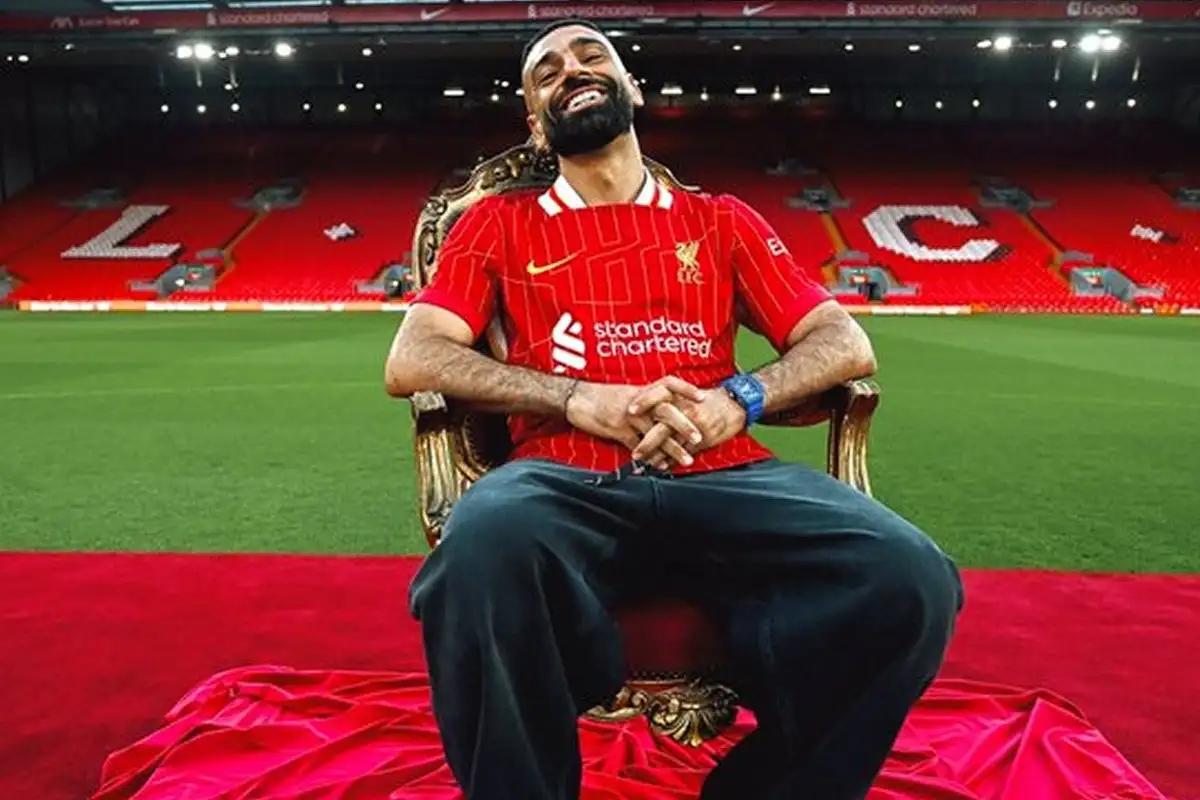
For Liverpool, even the faint possibility of retaining a player of Salah’s stature would be a major boost during a period of rebuilding. His presence would not only guarantee goals and experience but also provide leadership at a time when the squad is undergoing transition. Keeping him, even for a single additional season, could help stabilise the team while new structures are implemented.
At the same time, the club must also prepare for life beyond him. Salah has been central to Liverpool’s success for nearly a decade, and any long-term planning must eventually account for his departure. The challenge lies in balancing immediate competitive needs with future squad evolution.
In many ways, this situation highlights the unpredictable nature of football careers. What once looked like a clear farewell can quickly become uncertain again when circumstances change. A managerial departure, a shift in dressing-room mood, or a renewed sense of ambition can all reshape decisions that once seemed final.
For now, Salah’s future remains open. Whether he ultimately stays, leaves, or delays his exit, his legacy at Liverpool is already secure. But in a sport defined by constant change, even the final chapter of a legendary career can still be rewritten.