Prince Harry is expected to learn on Friday how much he will have to pay toward the legal costs of his unsuccessful case against the publisher of the Daily Mail, as the Duke of Sussex prepares for a major change in his personal life. The development comes shortly after reports emerged that Harry and Meghan Markle are planning to return to the United Kingdom after spending around six years living in the United States.
Harry’s failed legal battle against Associated Newspapers Limited (ANL), the company behind the Daily Mail and Mail on Sunday, has attracted considerable attention. The Duke was one of several well-known public figures who took legal action against the publisher, accusing the organization of involvement in unlawful methods used to gather private information.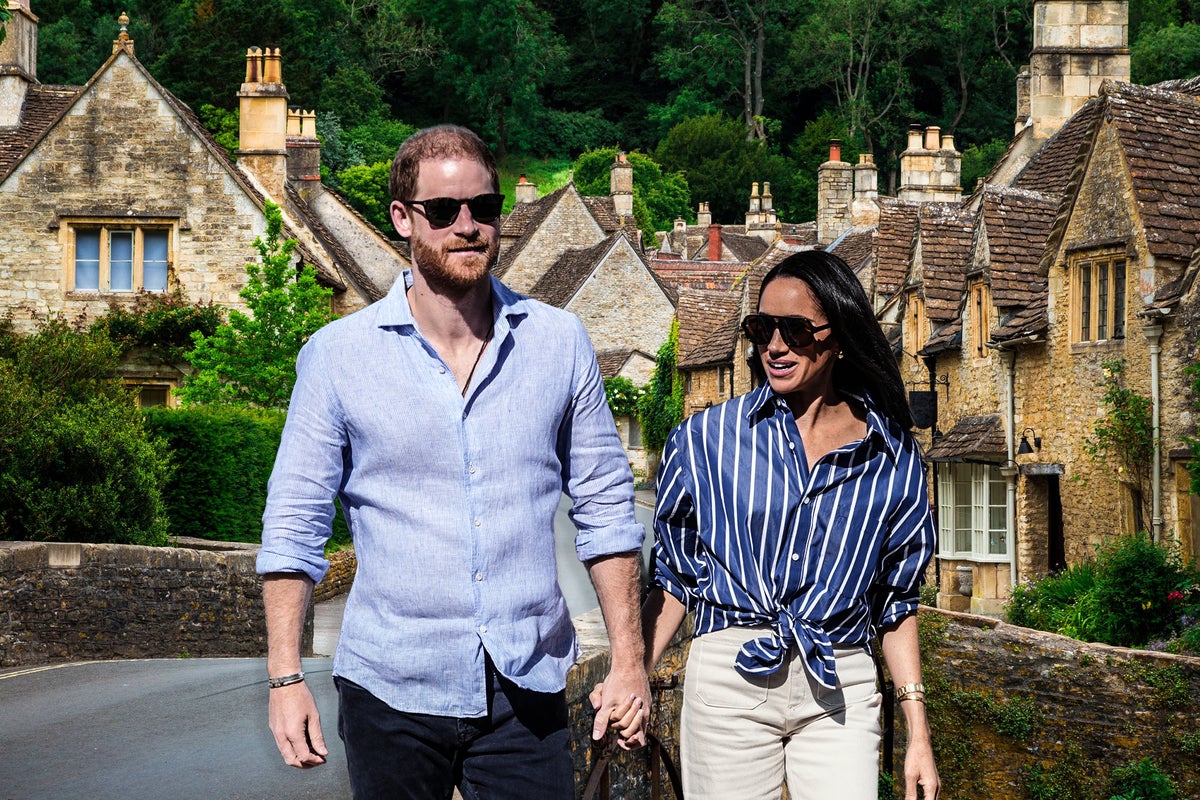
The group claimed that ANL had either directly participated in or commissioned a range of intrusive practices. Among the allegations were the unauthorized interception of landline telephone calls, the use of private investigators to install listening devices in vehicles, and the dishonest acquisition of confidential personal information. The claimants argued that these activities represented serious violations of their privacy.
However, following an extensive trial lasting approximately 11 weeks earlier this year, the court rejected their cases. Harry and the other claimants therefore faced the possibility of significant financial consequences, with the latest hearing expected to determine the costs associated with the unsuccessful proceedings.
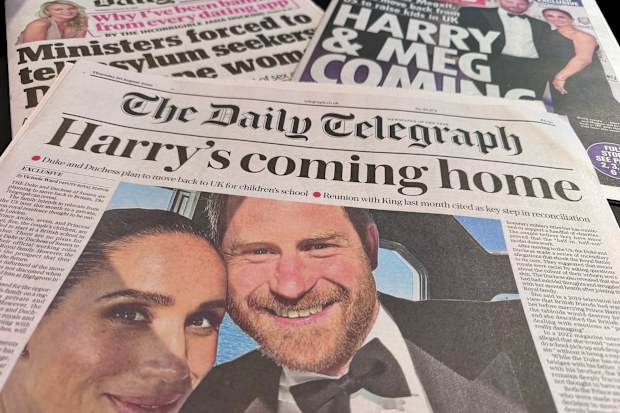
The legal development comes at an especially significant moment for Harry because of reports that he and Meghan are preparing to relocate their family from the United States back to Britain. The couple moved to North America after stepping away from their roles as senior working members of the Royal family in 2020. Since then, they have established their primary home in California and developed a new life away from the formal structures of the monarchy.
Their reported return would represent a major shift after years of living abroad. Rather than moving back into a royal property, however, Harry and Meghan are expected to establish themselves in a privately owned residence outside London. The planned home is reportedly intended to provide the family with a degree of independence while allowing them to spend more time in Britain.
The move has also revived questions about Harry’s security arrangements. Security has been one of the most contentious issues surrounding the Duke’s relationship with Britain since he and Meghan left their official royal duties.
Harry has previously argued that the protection available to him and his family in the UK was inadequate. He has maintained that his status and public profile mean that he and his family require appropriate security when visiting or living in Britain. The dispute over his protection has resulted in a prolonged legal confrontation with the British government.
Against this background, questions have been raised about whether the government will provide or finance security for Harry and Meghan once they return. The issue has attracted particular political and media interest because the couple will no longer carry out official duties on behalf of the monarchy.
When Andy Burnham was asked whether the government would pay for their protection, he avoided making a commitment. The Prime Minister said that the matter was for Harry and Meghan themselves and added that he wished them well as they made their move.
His comments indicate that the government is treating the couple’s return primarily as a private matter rather than as a formal royal event. Any decisions concerning their security are likely to depend on existing assessments and arrangements rather than simply on their status as members of the Royal family.
Harry’s legal dispute with the Daily Mail publisher is another chapter in his long-running conflict with sections of the British press. The Duke has repeatedly criticized the media for what he considers intrusive and unfair treatment of himself, Meghan, and other members of his family.
His concerns about the British press have been a major theme since his departure from royal life. Harry has argued that aggressive media coverage contributed to the pressure experienced by Meghan and himself during their years as working royals. Their complaints about press intrusion were also central to their decision to seek a different lifestyle outside Britain.
The dispute with Associated Newspapers was particularly significant because it involved allegations concerning the collection of private information. Harry and the other claimants argued that journalists or people acting on behalf of the publisher had used improper methods to obtain personal details.
Despite the seriousness of the allegations, the court ultimately found that the claims brought against ANL could not succeed. The conclusion followed months of preparation and a lengthy trial in which evidence surrounding the alleged activities was examined.
The decision was a setback for Harry, who has made legal action against British newspapers an important part of his efforts to challenge what he views as unlawful media practices. Over recent years, he has pursued several cases against major newspaper groups, achieving victories in some proceedings while suffering defeats in others.
The financial consequences of the latest case are therefore closely watched. Legal costs can become substantial following a trial of this length, particularly when multiple claimants and extensive evidence are involved. Friday’s decision is expected to clarify the financial responsibility facing Harry following the failed proceedings.
At the same time, his reported return to Britain could place him back in closer proximity to the media environment he has spent years criticizing. Living outside London rather than at a royal residence may allow the Duke and Duchess to maintain some separation from the center of royal activity while still reconnecting with the country.
Their return also raises questions about their future relationship with the Royal family. Although Harry remains the son of King Charles III and a member of the wider Royal family, he and Meghan are not expected to resume their previous roles as working royals.
Instead, their move appears to represent an attempt to create a new arrangement for their family. After years of building a life in the United States, the couple may now be seeking greater connections with Britain while maintaining the independence they established after leaving royal duties.
For Harry, the timing is particularly striking. On one side, he is dealing with the financial aftermath of a major legal defeat involving one of Britain’s most prominent newspaper publishers. On the other, he is reportedly preparing to establish a new home in the country where his relationship with the press and the Royal institution has been so complicated.
The combination of these developments ensures that the Duke of Sussex is likely to remain under intense public scrutiny. His legal battles, concerns over security, relationship with the Royal family, and continuing disagreements with the British media have made his life after royal duties highly public.
As Harry and Meghan prepare for their reported return, questions surrounding their security, finances, relationship with the monarchy, and future role in British public life are likely to continue. For now, the government has offered no indication that it will automatically fund their protection, while Harry faces the immediate issue of determining the financial consequences of his unsuccessful court case.
Their return to Britain could therefore mark the beginning of another complicated chapter for the Sussexes—one in which they attempt to balance family life, personal independence, security concerns, and an enduring relationship with the country they once left behind.