LUCY LETBY BOMBSHELL — Doctor She Called Her Best Friend And Love Found Dead
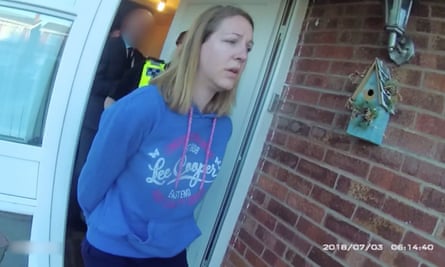
The doctor who became one of the most closely examined figures in the Lucy Letby case has died, bringing a deeply personal and controversial chapter of the investigation back into the spotlight. Known throughout the original trial only as Doctor A, the married registrar had worked alongside Letby at the Countess of Chester Hospital and developed a close relationship with the neonatal nurse. The pair exchanged more than 1,300 Facebook messages over a period of roughly three months in 2016, while their relationship also included walks, meals and trips to London. Letby referred to the doctor in personal notes as her “best friend” and “love”, while prosecutors later portrayed him as someone whose attention she desperately wanted. Doctor A himself eventually gave evidence against Letby, telling the court that he believed she had misled him and may have manipulated him into giving her information about babies on the neonatal unit. Now his death has reopened questions surrounding their relationship, the anonymity order that protected his identity and what his evidence could mean if Letby’s legal battle ever results in a retrial. The doctor, who was in his 50s and had reportedly been ill before his death last month, had remained largely hidden from public view since the original proceedings. His funeral has now taken place, leaving behind a complicated story that remains closely connected to one of Britain’s most notorious criminal cases.
The relationship between Letby and Doctor A became significant during her trial because prosecutors attempted to use it as part of an explanation for her alleged behaviour on the neonatal unit. The prosecution suggested that Letby was infatuated with the married doctor and wanted his attention, arguing that she may have created medical emergencies because she knew he would be called to the unit when babies became critically ill. In that theory, the sudden deterioration of a vulnerable infant could bring doctors rushing to the ward, giving Letby an opportunity to be close to a particular physician whose attention she valued. The prosecution’s description was fiercely disputed by Letby. She denied being in love with Doctor A and rejected the suggestion that they were romantically involved, maintaining that they were simply trusted friends. Yet the evidence surrounding their communication provided the prosecution with material it considered significant. Their hundreds of messages, personal meetings and Letby’s descriptions of the doctor in private notes were presented to the court as evidence of the strength of their connection. During the trial, Letby reportedly became emotional when Doctor A entered the witness box, with his testimony becoming one of the more striking moments involving her personal life. But while prosecutors used the relationship as part of their broader narrative, no single relationship or alleged motive independently established the crimes for which Letby was convicted.
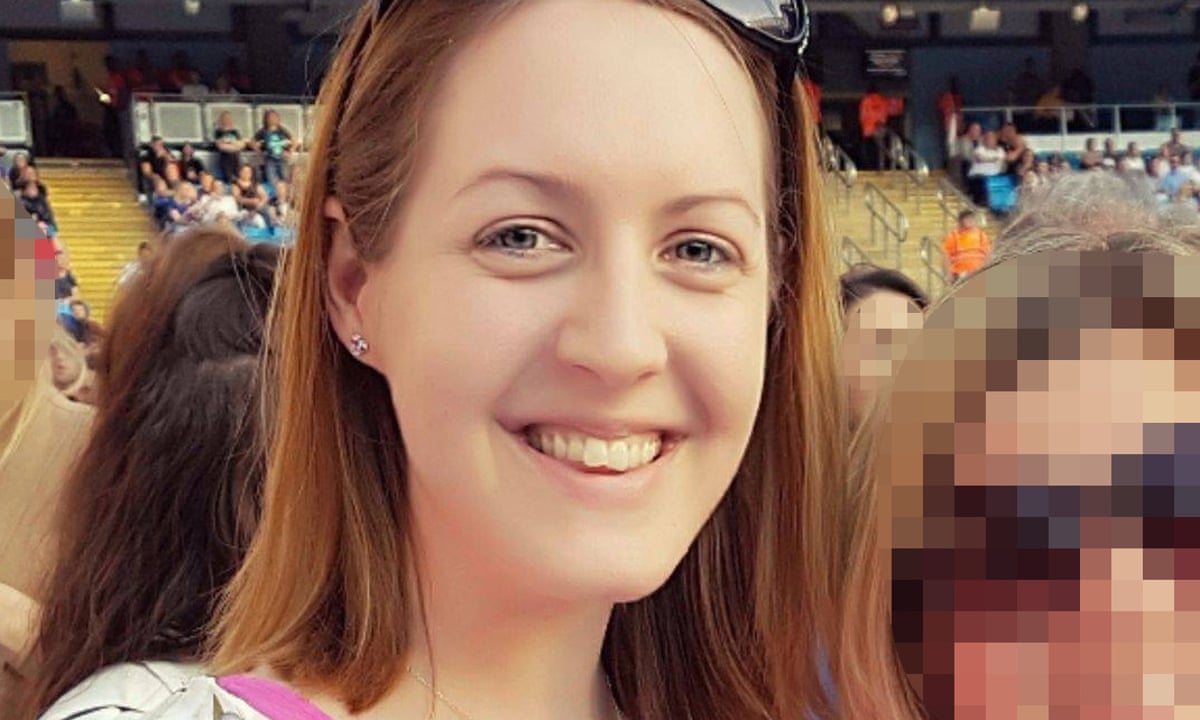
Doctor A’s evidence also became controversial because he said he had been misled by Letby. During proceedings, he told the court that he believed she may have manipulated him into providing information about babies in the neonatal unit. That claim later received attention during the Thirlwall Inquiry, which examined the circumstances surrounding the deaths and collapses at the hospital. The inquiry concluded that the doctor had been “misled” and may have been manipulated into giving Letby information. The significance of that finding lies in the fact that Doctor A had initially been a person close to Letby, someone who apparently trusted her professionally and personally. His later change in perspective therefore became an important part of the wider story. A person who had once described Letby positively was ultimately giving evidence that raised concerns about what she had told him and how she had obtained information. Yet even this aspect of the case needs to be viewed carefully. The inquiry’s findings concerning the doctor’s interactions with Letby do not automatically establish that every allegation made by the prosecution was correct, nor do they independently prove that Letby committed the offences of which she was convicted. They instead form part of a much larger body of evidence and testimony that has continued to be examined since her trial.
The doctor’s death is particularly significant because he had been granted anonymity during Letby’s ten-month trial. He was referred to as Doctor A rather than being publicly named, with the protection intended to safeguard his privacy and his family. The anonymity order meant that even though his relationship with Letby became a major subject of courtroom discussion, the public was not told his identity. Following his death, however, the future of that anonymity has become a subject of debate. Conservative MP David Davis, who has campaigned around aspects of Letby’s case, has suggested that the anonymity order could be reviewed if Letby were ever granted a retrial. That does not mean the doctor’s identity has now been officially revealed, nor does it mean a retrial has been ordered. It simply raises the possibility that the legal position could be reconsidered if the case returns to court. An anonymity order is a legal protection rather than a casual reporting restriction, and its continuation or removal would depend on the relevant legal process. The doctor’s death therefore creates an unusual situation: someone whose identity was deliberately protected while alive has now become the subject of renewed public interest precisely because his evidence could potentially be revisited in future proceedings. For now, he remains known publicly only as Doctor A.
Meanwhile, the broader legal battle surrounding Letby continues to attract scrutiny. Letby was convicted in 2023 of murdering seven babies and attempting to murder seven others at the Countess of Chester Hospital, and she is serving a whole-life sentence. She continues to maintain her innocence. Her case has subsequently faced renewed examination, including arguments concerning the medical evidence presented at trial. A panel of international medical experts has challenged aspects of the prosecution’s interpretation of the babies’ deaths and collapses, while the Criminal Cases Review Commission is considering material submitted on Letby’s behalf. These developments do not mean her convictions have been overturned, and they should not be interpreted as proof that the original verdict was incorrect. They do, however, explain why details from the original trial continue to receive attention. The death of Doctor A therefore arrives at a moment when the Letby case remains legally active in the broader sense, even though she remains convicted. If her legal team were eventually successful in securing another appeal or retrial, evidence concerning Doctor A could potentially receive renewed attention, particularly because prosecutors had used the relationship to support their theory about Letby’s alleged motives and behaviour. The precise role that his testimony might play in any future proceeding would depend entirely on what the courts decide and what evidence is admissible.
Perhaps the most emotionally charged aspect of the story is the contrast between the private relationship described in Letby’s notes and the testimony Doctor A eventually gave against her. Before the trial, their connection appeared to have been based on trust and professional familiarity. Letby called him her “best friend” and “love”, and the doctor reportedly told her she was among the few nurses he would trust with his own children. They spent time together away from the hospital, communicated frequently and appeared to have developed a close friendship. Yet years later, the same man was sitting behind an anonymity screen in court, giving evidence that prosecutors considered important to their case. Letby’s emotional response when he appeared in court added another layer to the story. For prosecutors, it was potentially evidence of the importance she placed on him. For the defence, the relationship could be interpreted very differently. The reality of their personal connection may never be completely captured by courtroom descriptions because relationships between colleagues can contain affection, friendship and professional trust without necessarily fitting neatly into a romantic or sinister narrative. What remains certain is that Doctor A became an important witness in a case involving allegations of extraordinary seriousness, and his death means he will never again be able to provide fresh testimony in person about their relationship.
Now, the central mystery surrounding Doctor A is no longer simply what he knew about Lucy Letby, but what his death could mean for the future of a case that refuses to disappear from the headlines. His identity remains protected despite his death, but David Davis has suggested that the anonymity order could potentially be reviewed if Letby ever faces a retrial. At the same time, Letby remains convicted and continues to insist that she did not murder or attempt to murder the babies involved. Doctor A’s story therefore sits at the intersection of personal tragedy, legal secrecy and one of the most heavily scrutinised criminal cases in modern Britain. He was once portrayed in court as the doctor whose attention Letby allegedly craved, yet he later became a witness who said he believed he had been misled and possibly manipulated. His death closes the possibility of hearing new evidence directly from him, while his testimony remains part of the historical record of the trial. If Letby’s legal challenges eventually succeed, the relationship could once again come under intense examination. And with his anonymity potentially facing review, another question now hangs over the case: if Lucy Letby ever gets a retrial, will the mystery surrounding Doctor A finally be exposed — or will his identity remain one of the last secrets surrounding the extraordinary case?