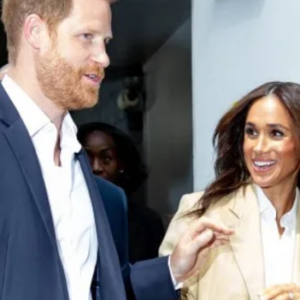
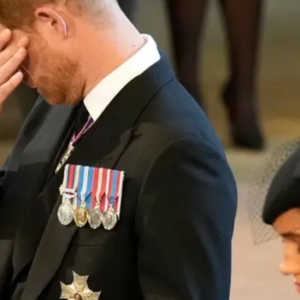
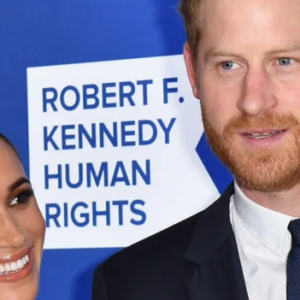
Prince Harry and Meghan Markle have once again found themselves at the center of intense royal attention, but this time the story is not simply about their decision to leave Britain or their long-running disagreements with the royal family. The focus has increasingly shifted toward what their future might look like now that their life in America has become more complicated than many expected. Since stepping back as senior working royals in 2020, the Duke and Duchess of Sussex have built a new life in California, combining family life with media projects, philanthropy and commercial ventures. Yet their relationship with Britain has never completely disappeared. Harry has continued to return to the U.K. for selected events, while Meghan and their children have largely remained in the United States. That pattern appeared to change dramatically in 2026, when reports emerged that Meghan and the children could accompany Harry on a return to Britain, potentially creating one of the most closely watched Sussex moments in years.

One of the most intriguing elements surrounding the reported visit was the possibility of the Sussex family staying on a royal estate. According to reports carried by PEOPLE and Yahoo, King Charles offered Harry, Meghan, Prince Archie and Princess Lilibet accommodation on a royal property during their proposed U.K. trip. The reported offer was significant because Harry has previously declined royal accommodation, while security has remained one of the most sensitive issues surrounding his return to Britain. Even if the family were to stay at a royal residence, that would not automatically restore the taxpayer-funded police protection Harry once received. His security arrangements are determined separately by the Home Office, and his legal battle over protection has been one of the most persistent sources of tension since he stepped away from royal duties. The possibility of Harry and Meghan entering a royal residence with their children therefore carries symbolic importance, even if it does not represent a formal reconciliation with the institution.
The bigger question, however, is what such a visit would mean for Harry’s relationship with his family. Harry has repeatedly demonstrated that leaving royal life did not mean abandoning his connection to Britain. He has returned for charity engagements and other commitments, and in September 2025 he privately met King Charles in London during a visit to Britain. That meeting reportedly lasted around 55 minutes and was their first in-person encounter in 19 months. But the relationship with Prince William remains far more difficult. Royal commentators have continued to describe the brothers as estranged, while Harry’s memoir Spare, released in 2023, exposed deeply personal details about their relationship and intensified public discussion surrounding the family. The book became one of the most consequential chapters in the Sussex story because it transformed private family conflict into an international publishing event. Years later, commentators still debate whether the revelations permanently changed the possibility of a conventional reconciliation.
At the same time, Harry and Meghan’s American chapter has developed in a direction that is very different from the quiet, private life some people initially imagined when they left royal duties. Their Netflix partnership, Harry’s memoir and Meghan’s lifestyle projects have kept them firmly within the entertainment and celebrity spotlight. Their appearances at major sporting events have also generated considerable attention, including a courtside appearance at the 2026 NBA All-Star Game. Critics have pointed to the apparent contradiction between their original desire for greater privacy and their continued participation in highly visible celebrity events. Supporters, however, argue that seeking protection from intrusive or unlawful media practices is not the same thing as wanting to disappear from public life entirely. Harry’s legal actions concerning alleged unlawful press practices demonstrate that media intrusion remains a deeply personal issue for him, even as the couple continues to make carefully selected public appearances.
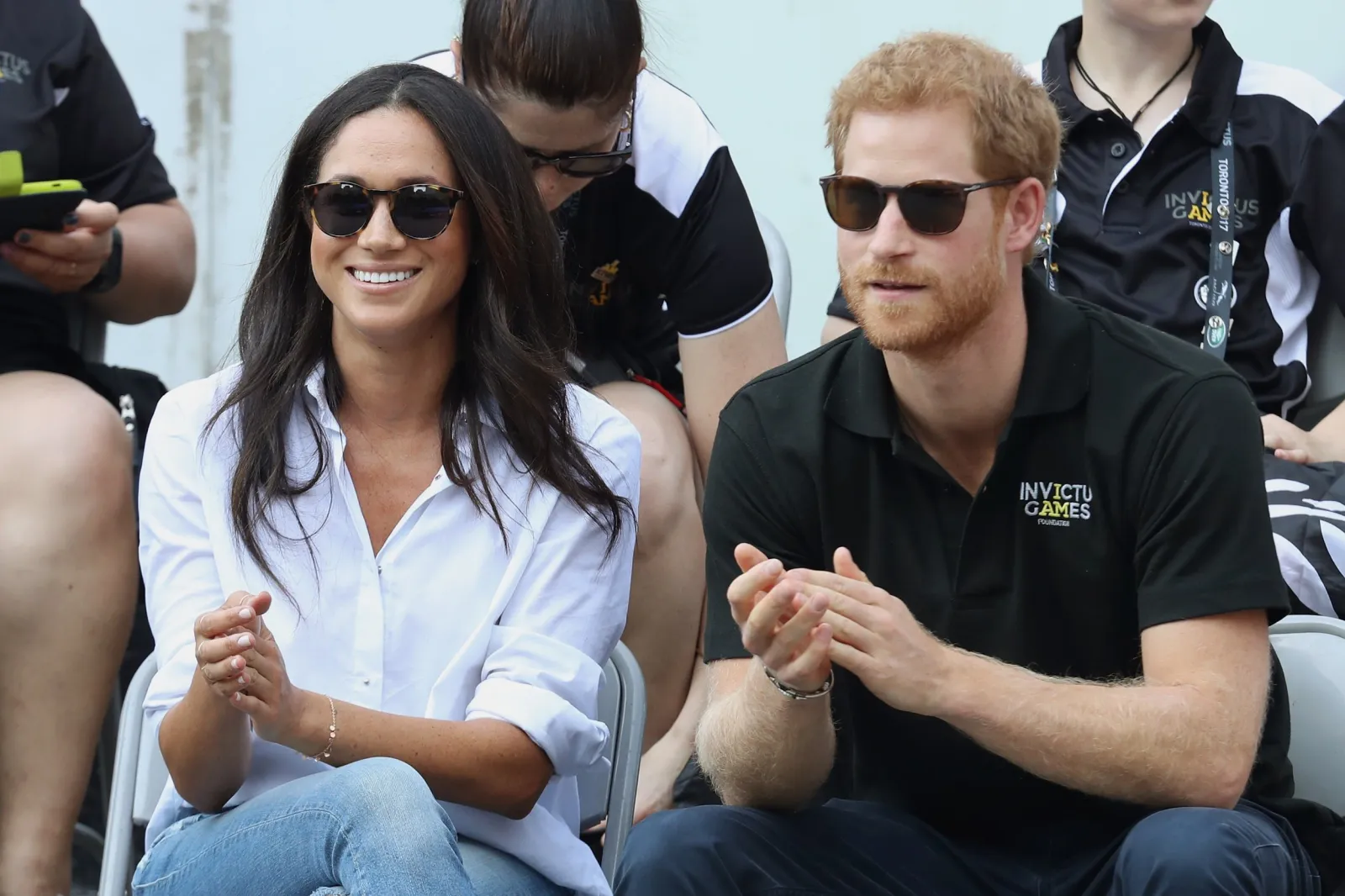
Meghan’s professional direction has also become an important part of the conversation. While Harry remains strongly associated with his royal identity, military background and the Invictus Games, Meghan has increasingly focused on lifestyle, business and media projects. Some commentators have argued that the contrast between their professional paths is becoming more obvious. One royal analyst suggested Harry risks becoming a “supporting character” to Meghan’s ambitions in Hollywood, while other commentators have argued that Meghan appears more deliberate about constructing a distinct professional identity outside the monarchy. These are opinions rather than established facts, but they reveal why speculation about the couple’s future continues to attract attention. Their challenge is no longer simply escaping the royal institution; it is creating identities that can stand independently of the royal drama that originally made them globally famous.
That tension becomes particularly interesting whenever the couple returns to Britain together. Meghan has not regularly accompanied Harry on his U.K. trips, and the children had not returned with their parents for several years before the reported 2026 visit. Their potential appearance therefore carries a symbolic weight far beyond an ordinary family trip. It could provide an opportunity for the Sussexes to reconnect their children with Harry’s homeland while also allowing the family to demonstrate a more personal side of their relationship with Britain. Yet expectations surrounding any royal reunion are enormous. A private meeting with Charles would not necessarily resolve the wider family disputes, and a visit to a royal residence would not automatically mean the Sussexes were returning to royal duties. The distinction between family reconciliation and institutional reconciliation is crucial—and the two should not be treated as the same thing.
Ultimately, the most compelling part of the Harry and Meghan story may no longer be whether they will return to royal life, but whether they can redefine what their relationship with the monarchy actually means. Harry appears to maintain a powerful connection to Britain despite building his home in California, while Meghan has invested heavily in creating a separate public and professional identity. Their reported willingness to bring their children back to the U.K. could represent a new chapter, but it does not erase years of conflict or guarantee a permanent family reunion. What happens next will depend on much more than one visit: it will depend on Harry’s relationship with his father and brother, the couple’s evolving careers, security concerns, and their willingness to separate personal family ties from the machinery of the monarchy. For now, that uncertainty is precisely what keeps the Sussex story alive—and why every appearance, invitation and royal connection continues to attract extraordinary attention.