ROYAL RETURN — Why Harry And Meghan Left The UK In The First Place
Prince Harry and Meghan Markle’s possible return to the United Kingdom has inevitably revived memories of why they left royal life in the first place. Their departure was not the result of a single disagreement or one dramatic incident, but the culmination of several pressures that had been building around the couple since their marriage in 2018. Harry had spent his entire life inside the British royal system, while Meghan entered it as an American actress suddenly exposed to an extraordinary level of international attention. Their early years as the Duke and Duchess of Sussex were marked by major public engagements, overseas tours and considerable popularity, but they also experienced relentless media scrutiny. By 2020, Harry and Meghan announced that they intended to step back as senior working royals and pursue a more independent life. They eventually settled in California, where they built careers outside the formal structure of the monarchy and raised their children, Archie and Lilibet. Now, reports of a possible longer-term return to Britain have created an intriguing question: if the circumstances that pushed them away have changed, could the country they left behind eventually become a place they feel comfortable calling home again?
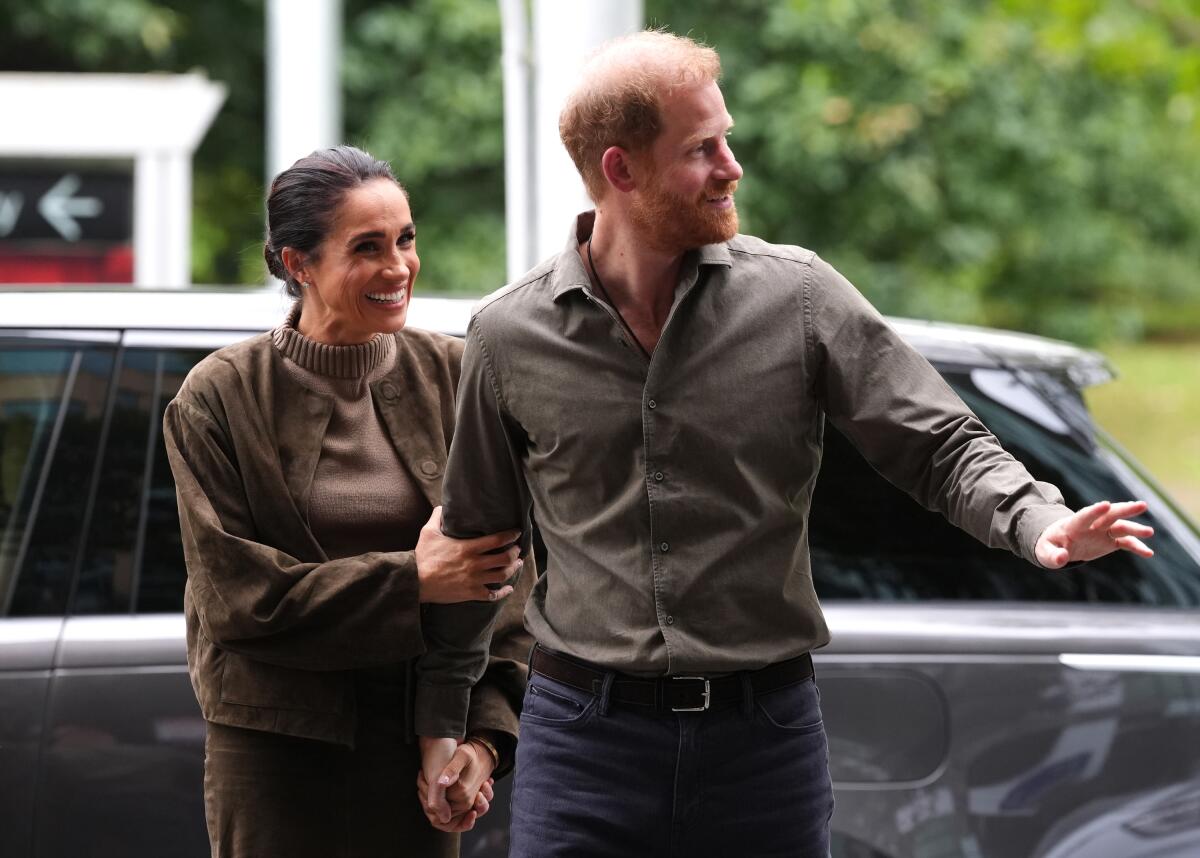
One of the biggest factors behind their departure was the pressure of the British media. Meghan repeatedly described her experience with the press as overwhelming, while Harry had long been sensitive to the treatment of members of his family by newspapers and photographers. His mother, Diana, Princess of Wales, died in a Paris car crash in 1997 after years of intense media attention, and Harry has spoken frequently about the impact of that experience on him. After marrying Meghan, he became increasingly concerned about how his wife was being portrayed in the British press. Meghan later discussed the emotional toll of royal life and the feeling that she did not receive enough support while struggling with the pressures surrounding her. Their decision to step away was therefore partly about creating greater control over their private lives. Yet leaving Britain did not end media attention. In some respects, it transformed it. Once Harry and Meghan were no longer working royals, every interview, documentary, legal dispute and public statement became part of a new international narrative about the couple’s relationship with the monarchy. Their move to California provided geographical distance, but it did not provide freedom from scrutiny. Instead, their lives continued to generate headlines on both sides of the Atlantic.
Another important reason was their desire for financial and professional independence. As senior working royals, Harry and Meghan were expected to follow strict rules governing their public roles, commercial activities and relationships with organisations. Stepping back allowed them to pursue projects that would have been difficult to undertake within the traditional royal framework. After moving to the United States, they signed major media deals and established their charitable organisation, Archewell. Harry also became involved in projects connected with mental health, veterans and technology, while Meghan pursued media and lifestyle opportunities. Their new life gave them greater control over how they earned money and how they presented themselves publicly. However, independence came with its own complications. The Sussexes remained closely associated with the monarchy because of their titles, family connections and public history. Their commercial work frequently involved discussing their experiences as members of the royal family, meaning that their decision to become independent did not necessarily separate them from royal controversy. Instead, Britain became the backdrop to a new chapter in which Harry and Meghan could speak more openly about their experiences without being bound by the same institutional restrictions.
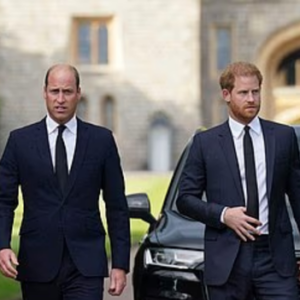
The couple’s relationship with other members of the royal family also played a major role in the story. Harry and Meghan’s departure was followed by reports of disagreements with senior royals, including Prince William and King Charles III. Their relationships with members of the family became increasingly complicated after the couple gave interviews and released projects containing personal accounts of their time within the monarchy. Harry’s memoir Spare was particularly damaging to his relationship with William, revealing private details about disagreements between the brothers and describing moments that had previously remained behind palace walls. For William, whose role as future king requires him to protect the institution and maintain a disciplined public image, Harry’s revelations were especially difficult. The result was a widening divide between the brothers. Meghan and other members of the royal family also appeared to have limited contact after the Sussexes moved to California. Yet the possibility of a UK return raises the prospect that physical distance could eventually become less important. If Harry and Meghan spend more time in Britain, family relationships could potentially develop away from cameras, although there is no guarantee that old disagreements would simply disappear.
Security was another crucial issue. After stepping back from royal duties, Harry lost the automatic level of publicly funded police protection he had received while serving as a working royal. He argued that this created a serious risk for his family when visiting Britain, particularly because of the attention surrounding Meghan, Archie and Lilibet. Harry subsequently challenged the decision through the courts, maintaining that the security arrangements provided when he visited the UK were insufficient. The issue became one of the clearest practical obstacles to bringing his family back for extended periods. A permanent or semi-permanent return would therefore require Harry and Meghan to feel confident that appropriate security arrangements were in place. Their reported willingness to consider spending more time in Britain suggests that the question may no longer be viewed in quite the same way as it was immediately after their departure. But security remains an important part of the equation because Harry has repeatedly made clear that protecting his family is one of his highest priorities. A return cannot simply be about nostalgia or family reconciliation; it also has to work in practical terms for the Sussexes and their children.
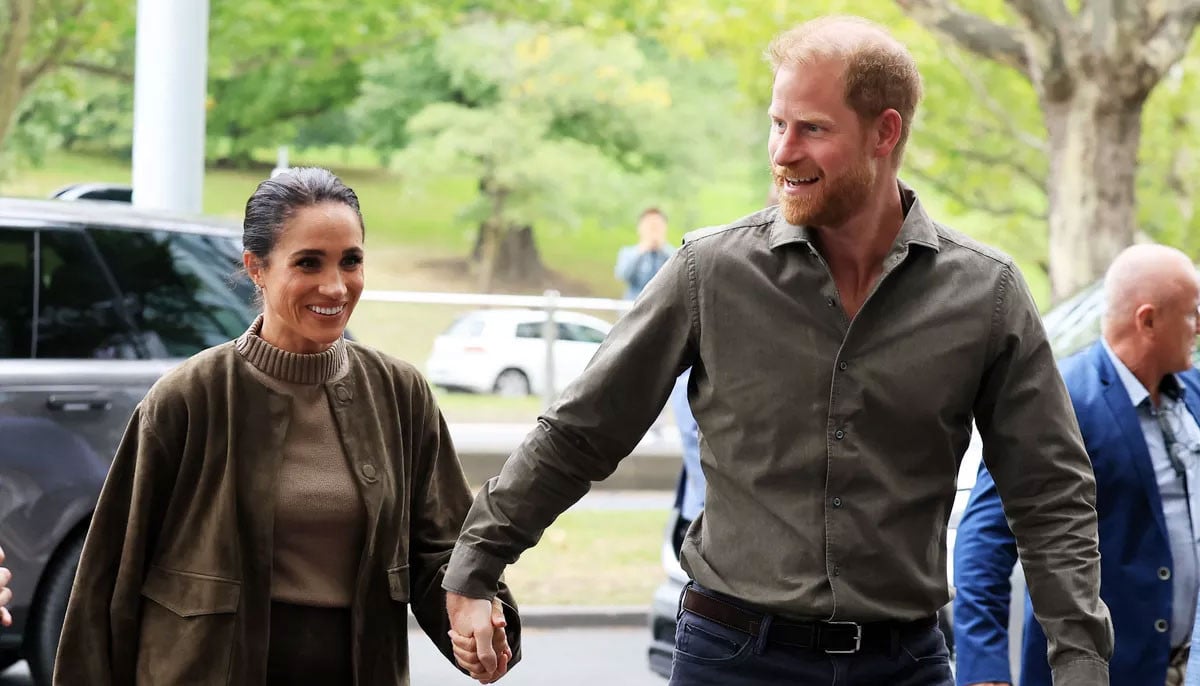
For Meghan, returning to Britain could carry an especially complicated emotional meaning. She entered the royal family as an outsider and experienced an extraordinary transformation from American actress to Duchess of Sussex almost overnight. Britain became the setting for her wedding, the birth of her first child and the beginning of her royal career, but it also became associated with intense press coverage and personal difficulties. Moving back could therefore represent both a return to familiar ground and a confrontation with memories of the period that ultimately led her and Harry to leave. At the same time, the circumstances would be very different now. Meghan would not necessarily be returning as a working royal required to perform hundreds of official engagements. She and Harry could potentially live privately, maintain their American connections and visit Britain on their own terms. Their children could also have greater opportunities to know their British relatives, particularly King Charles and their cousins Prince George, Princess Charlotte and Prince Louis. In that sense, returning would not necessarily mean returning to the life they rejected. It could mean creating an entirely new relationship with Britain.
Ultimately, the biggest question surrounding Harry and Meghan’s possible return is whether the reasons they left still carry the same weight today. The pressures that pushed them away — media scrutiny, institutional restrictions, family tensions and security concerns — have not simply vanished. Their relationship with the royal family remains complicated, and their decision to build an independent life in America has fundamentally changed their position. Yet time can alter circumstances. Harry is now a father of two, Charles is further into his reign, William and Kate have become even more central to the monarchy, and Archie and Lilibet are growing old enough to develop stronger connections with their British relatives. A return could therefore be less about restoring the past and more about creating a different future. Harry and Meghan would not need to become working royals again to have a meaningful presence in Britain. They could remain independent while allowing their children to experience more of their father’s home country. But the unresolved history would inevitably follow them. If Harry and Meghan really do return to the UK, will they be able to build a new life on their own terms — or will the very pressures that once drove them away eventually remind them why they left in the first place?